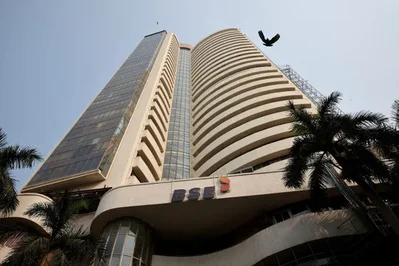
Indian Stocks and Rupee Fall as Middle East War Continues
Indian shares fell over 2% on Monday as the rupee hit a record low. High oil prices and foreign outflows from the Iran war pressured domestic markets.

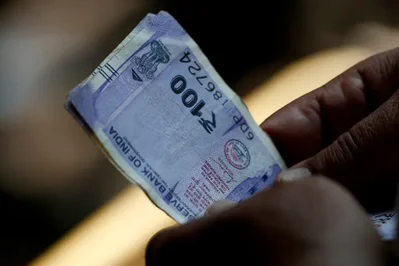
Financial markets in India experienced a sharp downturn on Monday as the ongoing conflict involving Iran rattled investor confidence and pushed the national currency to a record low. The rupee weakened to 93.98 against the United States dollar, tracking a broader retreat across Asian markets as the geopolitical crisis in the Middle East kept energy prices elevated and clouded the global economic outlook.
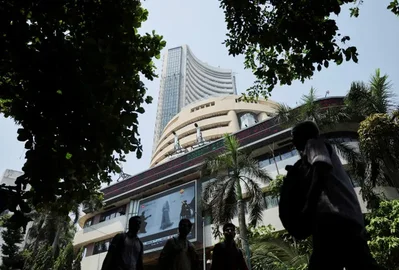
The benchmark Nifty 50 index fell 2.6% to close at 22,512.65, while the S&P BSE Sensex shed 2.46% to end at 72,696.39. Both indices have declined by approximately 10.6% since the start of the conflict in late February, driven by substantial capital outflows from foreign investors. The market volatility index, which measures anticipated price swings over the next month, jumped to 27.17, marking its highest point since early June 2024.
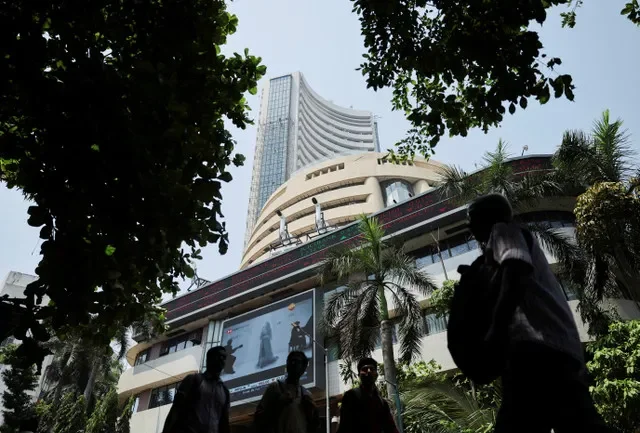
Surging energy costs remain a primary concern for the domestic economy. Brent Crude Oil hovered near $113 per barrel, posing a significant headwind for the country's trade balance and inflation targets. The combination of high oil prices and foreign portfolio outflows—totaling nearly $10 billion in March alone—has placed immense pressure on the domestic currency and equity valuations.
"A jump in oil prices, continued foreign outflows and consequently, a steep correction in rupee exchange rate due to Iran war have triggered a sharp fall in domestic stocks," said G Chokkalingam, founder and head of research at Equinomics Research.
"External economic conditions are deteriorating due to the war and could become more adverse in the short-term, creating significant short-term pressure for equities," Chokkalingam added.
In corporate developments, HDFC Bank, the most heavily weighted stock in the benchmark indices, declined 4.7% on Monday. The stock has lost 11.7% over the last three sessions, following the abrupt resignation of its part-time chairman. Sectoral performance was weak across the board, with the metals sub-index dropping 4.8% in line with falling global commodity prices. Mid-cap and small-cap indices also faced heavy selling pressure, each losing 3.9% as the conflict entered its fourth week without signs of de-escalation.