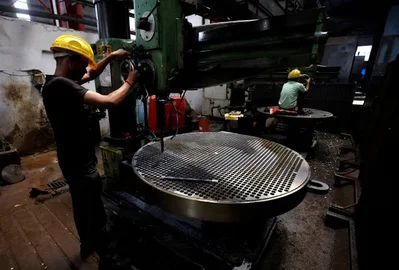

India factory activity cools as input costs rise in March
India's manufacturing PMI fell to 53.9 in March as rising oil costs slowed growth. Employment hit a seven-month high as firms stayed optimistic for the year.

Manufacturing activity in India experienced its slowest expansion in nearly four years during March. This deceleration was primarily driven by geopolitical tensions in the Middle East, which created significant uncertainty and disrupted global supply chains.
According to the latest HSBC India Manufacturing Purchasing Managers Index (PMI), compiled by S&P GLOBAL INC, the index dropped to 53.9 in March from 56.9 in February. This figure, released by HSBC HOLDINGS PLC, aligned closely with initial preliminary estimates and signaled a cooling of the recent industrial surge.
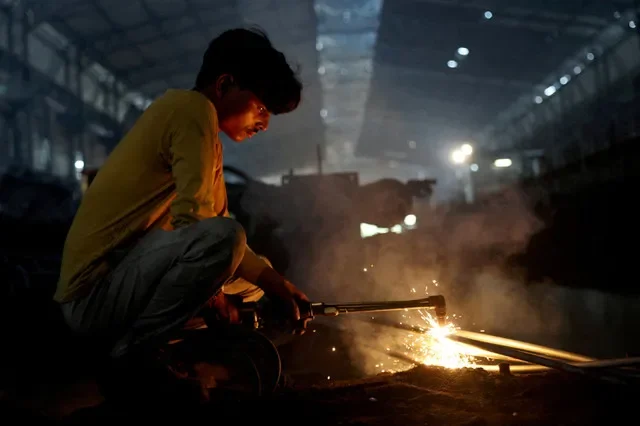
The sector faced mounting headwinds as rising costs for Brent Crude Oil and other essential commodities pressured profit margins. Manufacturers reported the sharpest increase in input costs since August 2022, with prices for steel, chemicals, and aluminum climbing alongside fuel expenses. Despite these pressures, firms opted to raise selling prices at the slowest rate seen in two years to maintain competitiveness.
Disruptions linked to the conflict in the Middle East are reverberating through the global economy and weighing on Indian manufacturers.
While domestic demand and output growth hit multi-year lows, the export market provided a silver lining. New export orders reached a six-month peak, suggesting resilient international demand for Indian-made goods.
The labor market also showed signs of strength as employment growth accelerated to a seven-month high. Companies actively recruited new staff to address existing backlogs and prepare for future expansion. Business sentiment for the year ahead remains positive, reaching its highest level since May 2024, supported by expectations of a strong agricultural season and planned increases in production capacity.