AI Boom and Energy Shocks Shape the Outlook
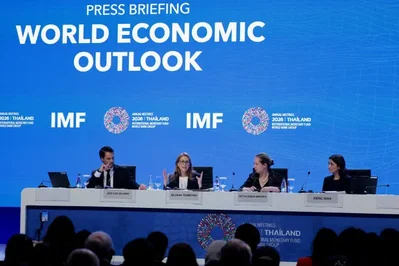
Emerging Asia's growth will slow to 5.1% in 2026 from 5.6% last year due to higher energy prices, according to an IMF report released during Thursday morning meetings in Bangkok. At the same time, advanced Asian economies will accelerate to 3.2% from 2.5%, largely boosted by the artificial intelligence boom.
However, spillovers from rising global bond yields and potential corrections in AI demand remain key downside risks. Volatility in exchange rates has increased, with portfolio outflows hitting assets such as South Korea technology stocks.
Sovereign Spillovers and Fiscal Pressures
Rising yields in major sovereign markets—including the United States, the United Kingdom, the euro zone, and Japan—could spill over into Asian bond markets. High public debt makes the region vulnerable to abrupt tightening that raises debt-servicing costs.
Energy shocks tied to conflict have also kept Brent Crude Oil and broader commodity prices elevated. The IMF urged regional central banks to focus strictly on price stability while avoiding blanket fuel subsidies.
The IMF will release its updated regional fiscal monitor data on November 12.