IMF Chief Urges Caution on Rate Hikes Amid Energy Shocks
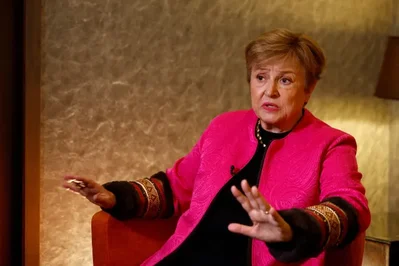
IMF head Kristalina Georgieva urged central banks to monitor demand softening while managing energy shocks. She warned that premature rate hikes could harm growth.

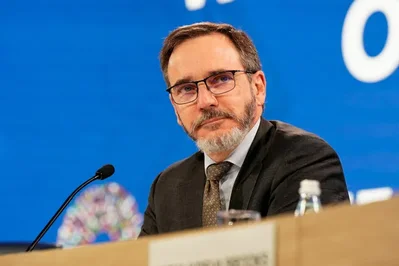
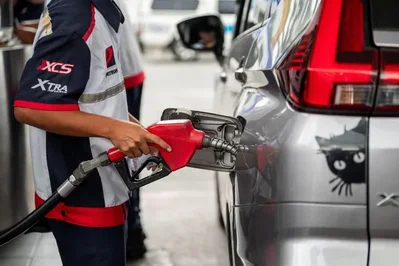
International Monetary Fund Managing Director Kristalina Georgieva stated on Thursday that central bankers must navigate a complex landscape, balancing the need to curb energy-driven inflation with the risk of stifling economic demand. Speaking in Washington ahead of the upcoming IMF and World Bank annual meetings, Georgieva noted that monetary policy shifts must remain highly sensitive to evolving data. The ongoing conflict involving Iran, which began in late February, has significantly disrupted global shipping and triggered a 50% spike in the price of Brent Crude Oil. The IMF warned earlier this week that the war's duration and resulting damage will dictate the extent of global economic slowing and price increases. Georgieva suggested that if a ceasefire holds and energy supply shocks remain brief, central banks might be able to maintain current interest rates, effectively resulting in a de-facto easing as inflation slightly rises. However, she cautioned against the impulse to aggressively tighten rates in a delayed reaction to previous post-pandemic inflation trends. > "Be watchful, concentrate on conditions, because if you tighten prematurely and unnecessarily, youre throwing cold water on growth," Georgieva said. She further explained that excessive tightening could cause demand to shrink, potentially transforming a supply-side shock into a more severe supply-and-demand crisis. While short-term inflation expectations have seen an uptick, Georgieva highlighted that long-term expectations remain anchored, which she described as a vital sign of market stability. Regarding fiscal policy, the IMF is working with member nations to design support packages that include sunset clauses to ensure they are temporary. Georgieva underscored the importance of coordination between fiscal and monetary authorities to avoid working at cross-purposes. > "It would be like driving with one foot on the accelerator and one on the brake - not good," she said. Georgieva concluded by warning that deficit-financed stimulus at this juncture would only increase the pressure on monetary policy and risk unanchoring inflation expectations, which could lead to a costly inflationary spiral.