IMF Reports No Signs of Wage-Price Spiral in Britain
The IMF sees no evidence of a wage-price spiral in Britain. Core inflation forecasts rose to 2.7 percent for 2026 as economic slack helps moderate wage pressures.

The International Monetary Fund (IMF) has stated that there is currently no evidence of a wage-price spiral in the United Kingdom, according to remarks made by IMF chief economist Pierre-Olivier Gourinchas. While the global economy faces ongoing pressure from volatile energy markets, the IMF anticipates that core inflation will see only a marginal increase as a result of these shocks.
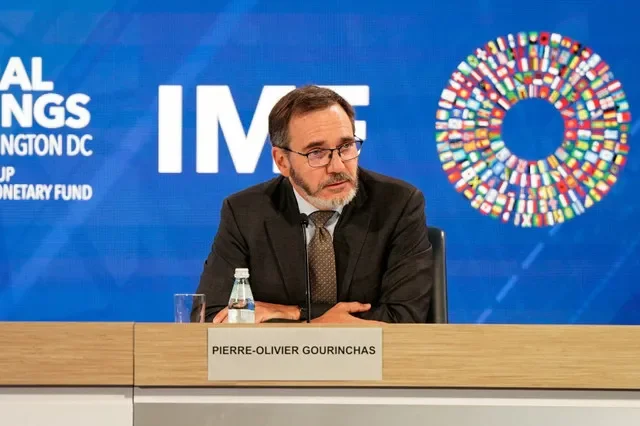
The organization has revised its core inflation forecast for the British economy, now projecting a rate of 2.7% for 2026, up from the 2.2% estimate issued in January. This adjustment reflects the country's significant reliance on imports of Natural Gas. Despite these inflationary pressures, Gourinchas noted that the UK economy still exhibits a negative output gap, which provides enough slack to dampen wage demands.
The UK economy still has a negative output gap in our estimate, so there is quite a bit of slack, and that actually is moderating some of the wage pressures.
Looking ahead, the IMF will closely monitor how higher energy costs are passed through to consumers and whether this shift triggers a change in economic dynamics. The chief economist suggested that the full impact of these price increases on household behavior remains a key variable for future forecasts.
Now well have to see and watch how the increase in energy prices, especially when they get to consumers, whether that translates into a different dynamic.