
Hong Kong Proposes Lowering Dual Class Listing Thresholds
HKEX proposed halving market value thresholds for dual-class listings. The plan aims to attract more firms and permits confidential filings for all applicants.

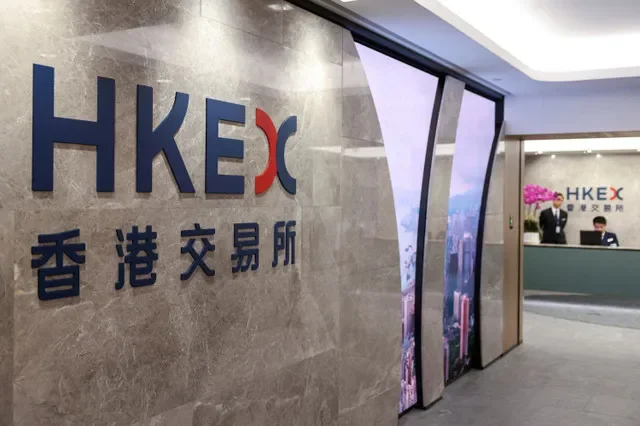
The stock exchange in Hong Kong has unveiled a proposal to significantly lower market value thresholds for companies seeking dual-class share structures. This initiative, led by the Stock Exchange of Hong Kong Limited, a division of Hong Kong Exchanges and Clearing (HKEX), aims to bolster the city's position as a premier financial hub by attracting a wider array of high-growth firms.
Under the current framework, companies opting for weighted voting rights must meet a market value of HK$40 billion. The new proposal suggests halving this requirement to HK$20 billion. Alternatively, for firms with a market capitalization of at least HK$10 billion and HK$1 billion in revenue, the bourse intends to reduce these benchmarks to HK$6 billion and HK$600 million, respectively. Dual-class structures are often preferred by founders who wish to retain control through extra voting power even as they sell equity to external investors.
Beyond financial metrics, the exchange is considering broadening eligibility to include companies that demonstrate success through innovative business models, moving beyond the current focus on purely technological advancements. Additionally, HKEX has proposed allowing all new listing applicants to file for initial public offerings confidentially, a privilege currently reserved primarily for biotech firms, specialist technology companies, and those seeking secondary listings.
This move comes as the region continues to see high levels of activity, particularly from firms based in mainland China. In 2025, the city secured its spot as the top global listing venue, with total equity capital market fundraising reaching $103 billion, representing a 164% increase. As of late February, the pipeline remains robust with over 530 applications filed for the main board.
The consultation process for these proposed changes is scheduled to conclude on May 8. Reporting for this development included contributions from journalists based in Singapore and India, reflecting the broad regional interest in the exchange's regulatory evolution.