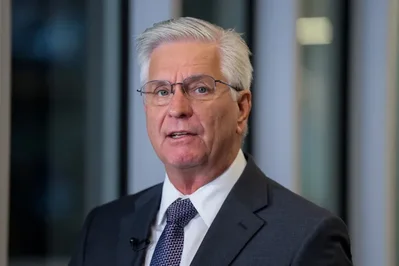
Greece raises monthly minimum wage to 920 euros in April
Greece will raise its monthly minimum wage to 920 euros starting in April. This 4.5 percent increase seeks to shield consumers from rising energy costs.

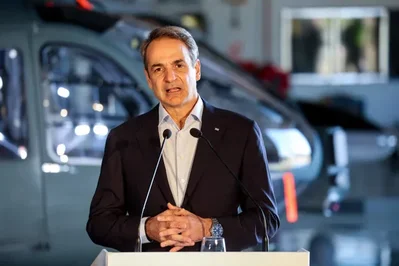
Greece will raise its gross monthly minimum wage by 4.5% starting in April, representing the sixth increase in four years. The move is part of a broader effort to bolster living standards that were severely impacted by a decade-long financial crisis and to protect consumers from the rising energy costs associated with the ongoing conflict involving Iran. The nation is currently rebounding from a debt crisis spanning 2009 to 2018, a period that saw a significant contraction of economic output and sharp reductions in wages and pensions. The administration led by Prime Minister Kyriakos Mitsotakis has since implemented tax cuts and social security reductions, with a long-term target of reaching a 950-euro minimum monthly salary by 2027. However, purchasing power in the region continues to lag behind the European average, facing new headwinds from energy price spikes linked to the war involving the United States and Israel. To mitigate these effects, the government has already established profit margin caps on fuel and essential supermarket items, alongside subsidies for fertilizers and ferry travel. During a cabinet meeting on Thursday, Mitsotakis emphasized the government's commitment to financial relief. > To further support the people, we will jointly decide today a new rise in the minimum wage from April 1. Under the new proposal, the gross monthly minimum wage will climb to 920 euros from the previous level of 880 euros. This adjustment follows a period of consultation with various labor and employer organizations and awaits final cabinet approval.