Goldman Sachs keeps copper price forecast at $12,650
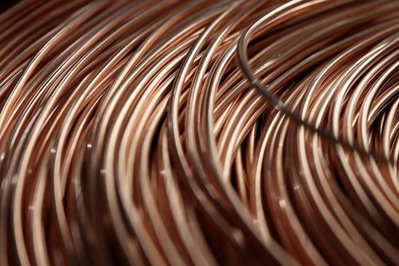
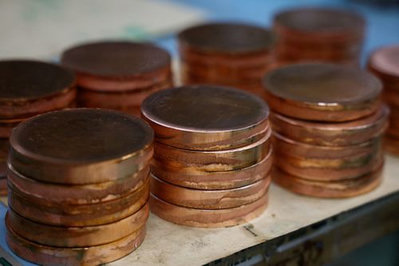
Goldman Sachs maintains its copper price forecast at $12,650 per ton. The bank warned that acid shortages and shipping delays pose risks to the global supply.

GOLDMAN SACHS GROUP INC has maintained its forecast for the Copper price to average $12,650 per metric ton this year, while also reaffirming its projection of a 490,000-ton surplus for the metal in 2026. Despite the stable price outlook, the bank warned of significant risks to global supply stemming from potential sulphuric acid shortages, particularly if shipping disruptions in the Strait of Hormuz persist.

The bank noted that maritime transit issues, combined with a decision by China to ban sulphuric acid exports starting May 1, could tighten a market that is essential for copper production. Sulphur and sulphuric acid are critical inputs for solvent extraction and electrowinning, a process that accounts for approximately 17% of the world's copper supply.
Geopolitical tensions have escalated as the conflict involving the United States and Israel against Iran has impacted the flow of energy and industrial materials. Iran has effectively blocked the Strait of Hormuz, a key shipping artery. Commenting on the situation, President Donald Trump indicated a firm stance regarding diplomatic negotiations.
President Donald Trump said on Tuesday he did not want to extend the current ceasefire and the U.S. military was raring to go if negotiations were not successful.
According to the analysis, the Democratic Republic of the Congo and Chile are the nations most vulnerable to these supply chain disruptions. While mining companies in the Democratic Republic of the Congo currently hold two to three months of inventory, the bank estimates the country could see a production curtailment of about 125,000 tons in 2026 if delays extend through June. This potential reduction would be offset by a projected 140,000-ton decrease in copper demand resulting from weaker global economic growth in an adverse scenario.
Furthermore, if the Chinese ban on sulphuric acid exports lasts through the end of the year, it would put 200,000 tons of Chilean production at risk. This volume is equivalent to 1% of the global supply, reflecting Chile's reliance on Chinese imports, which provided roughly one-third of the country's acid requirements in 2025.