Energy markets remain a primary focus as Brent Crude Oil stayed above the $100 per barrel mark. This surge follows the escalation of the conflict involving the United States, Israel, and Iran, which has entered its third week. The closure of the Strait of Hormuz has created the most significant disruption to global energy supplies on record, raising fears of sustained inflation. Christopher Wong, a strategist at OCBC, noted the impact of these energy costs on monetary policy.
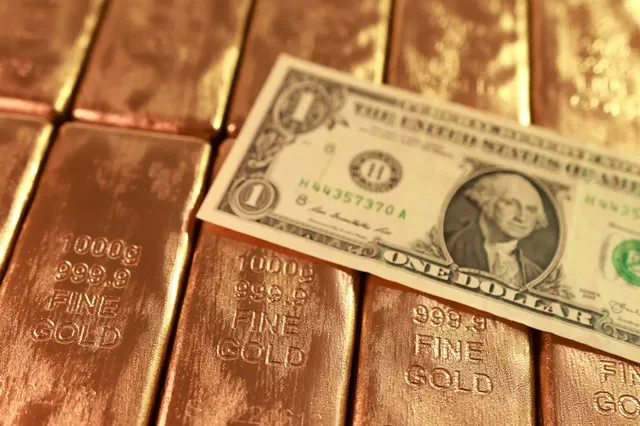
If higher energy prices push inflation higher and the Fed stays cautious about cutting rates, that could keep real yields elevated, which tends to be a headwind for gold.
Wong further noted that price movements for the metal are likely to remain volatile in the short term as investors evaluate the Federal Reserve's policy direction. The central bank is widely anticipated to maintain interest rates during its upcoming meeting on Wednesday.
In the near term, price action may remain choppy as markets reassess the Fed policy path and the trajectory of real yields.
On the political front, the administration of Donald Trump is reportedly in discussions with seven nations to secure the Strait of Hormuz. The president has threatened further military action against the Kharg Island oil hub and indicated that a resolution to the conflict is not yet imminent. He emphasized that nations reliant on Gulf oil must take a more active role in protecting vital maritime corridors. In the broader precious metals market, Silver rose 0.1% to $80.62 per ounce. Platinum saw a significant gain of 1.8%, reaching $2,060.32, while Palladium climbed 1.6% to $1,576.41.