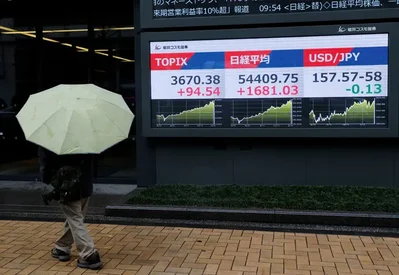
The International Energy Agency has highlighted the severity of the current situation regarding global energy security, noting that the Middle East conflict poses a historic threat to fuel availability.
"The world faces its largest-ever oil supply disruption due to the conflict in the Middle East."
In equity markets, the energy sector was a rare bright spot, with Chevron Corporation advancing 2.7%. However, other sectors suffered heavy losses. The Goldman Sachs Group, Inc. and The Boeing Company both fell 4.4%, as the broader industrial and consumer discretionary sectors declined by more than 2%. Regional markets also felt the impact, with Brazil and Mexico seeing their primary indices drop by 2.5%.
The bond market selloff accelerated globally. In the United Kingdom, the 10-year gilt yield experienced its sharpest two-day increase since February 2024. Germany saw its 10-year Bund yield reach its highest point since October 2023, nearing the 3% mark. In the U.S., the two-year yield climbed 11 basis points to its highest level since August, further flattening the yield curve.
Currency markets reflected the flight to safety and rising rate concerns, with the U.S. dollar hitting its highest level since November. The Australia dollar was the most significant loser among G10 currencies, falling 1%. Other emerging market currencies, including the Brazilian real and Mexican peso, also faced steep declines as investors moved away from riskier assets.
The shift in energy prices has fundamentally altered expectations for monetary policy. Investors have largely abandoned bets for a Federal Reserve rate cut in 2026, a sharp reversal from just weeks ago when multiple cuts were anticipated. This comes ahead of a busy week for central banks, with meetings scheduled for the authorities in Canada, Japan, Sweden, and Switzerland.
Market participants are now bracing for potential volatility as new data emerges. Looking ahead to Friday, several key economic indicators could further influence market sentiment, including the manufacturing PMI from New Zealand, industrial production figures from Europe, and the second estimate of U.S. fourth-quarter GDP.