Global Measures Shield Households from Rising Energy Costs
Nations are implementing tax cuts and subsidies to protect households from rising fuel prices. These measures include releasing reserves and regulating tariffs.

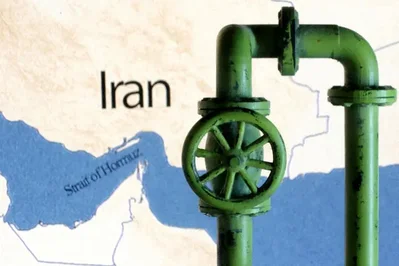
Governments across the globe are implementing urgent measures to shield households from soaring energy costs as disruptions to oil and gas supplies fuel inflation and strain domestic budgets. In India, the government has invoked emergency powers to direct refiners to maximize the production of liquefied petroleum gas (LPG). This move is designed to prevent shortages for the nation's 333 million households with LPG connections, leading to a reduction in sales to industrial users. China has announced the release of fertilizers from national commercial reserves to support the upcoming spring planting season. This action, involving entities such as China XLX Fertiliser Ltd., comes as the effective closure of the Strait of Hormuz threatens global supply chains. To the south, Australia is moving to secure its domestic fuel supply by releasing petrol and diesel from national reserves. The initiative aims to alleviate shortages impacting rural supply chains and critical sectors like mining and agriculture. The European Union is urging member governments to exercise flexibility regarding gas import regulations. This shift is intended to prevent delays in deliveries of liquefied natural gas from major suppliers like Cheniere Energy, Inc., which are vital for stabilizing regional energy markets. In South Korea, officials are considering additional energy vouchers for vulnerable citizens while preparing to increase output from nuclear and coal-fired plants. Similarly, the Philippines plans to manage electricity tariffs and boost coal power generation, a sector where WHITEHAVEN COAL LTD remains a significant player, to offset rising costs. Italy is exploring cuts to fuel excise duties and may increase taxes on energy firms that have seen windfall profits during the crisis. Meanwhile, Malaysia has significantly increased its spending on petrol subsidies, raising the budget to 2 billion ringgit to maintain fixed fuel prices. In the Americas, Brazil has moved to eliminate federal taxes on diesel to lower the burden on consumers. In Africa, Egypt has introduced price caps on unsubsidized bread to combat inflation, while Ethiopia has increased fuel subsidies to mitigate the impact of global price spikes. As nations look toward long-term grid stability, advanced power solutions from companies like NET Power Inc. are increasingly being evaluated as part of the broader energy strategy.