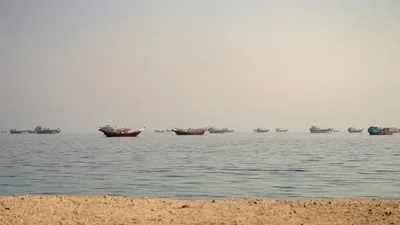
Nations Work to Reopen Strait of Hormuz Amid New Threats
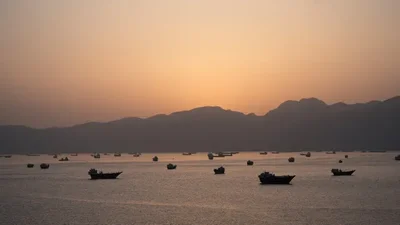
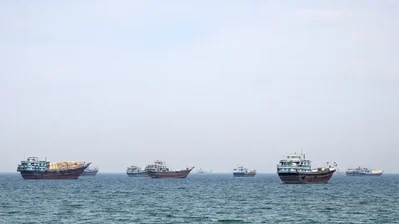
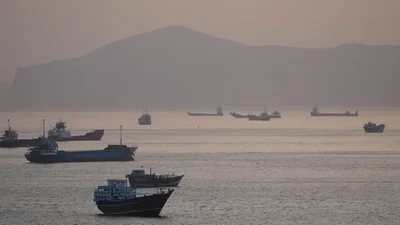
Dozens of nations are working to reopen the Strait of Hormuz as President Trump vows more strikes. Brent crude prices rose to 108 dollars amid the tension.

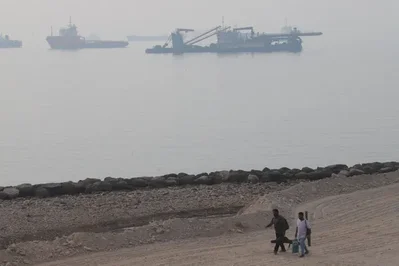
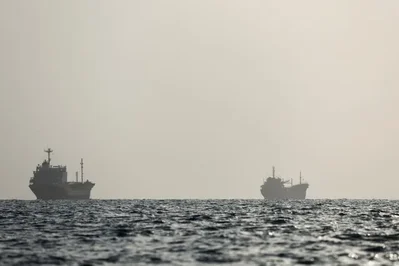
Global markets and international leaders are grappling with the closure of the Strait of Hormuz as tensions between the United States and Iran[country:\{ value:"IR" \}] reach a critical flashpoint. President Donald Trump has committed to a more aggressive military campaign, leading to a sharp rise in energy prices and heightened fears of a prolonged conflict in the Middle East. President Trump indicated that operations against Iranian interests would intensify significantly without providing a specific end date for the hostilities during a Wednesday evening address.
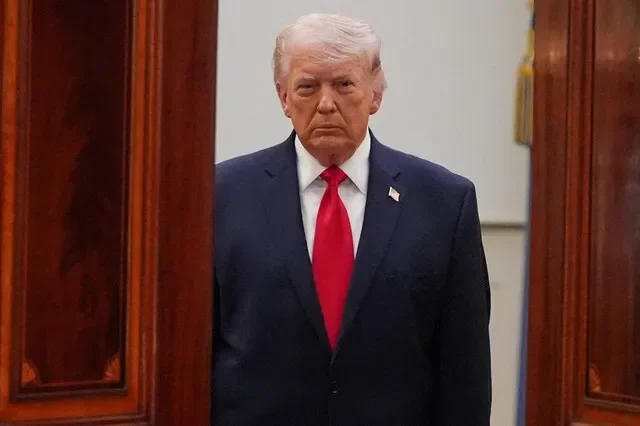
"Were going to hit them extremely hard over the next two to three weeks."
The Iranian government remains defiant, announcing plans to establish a monitoring protocol for the strait in coordination with Oman. Deputy Foreign Minister Kazem Gharibabadi stated that the measure is intended to ensure safe passage rather than impose restrictions.
"We are developing a protocol for Iran and Oman to monitor passage and navigation through the Strait of Hormuz."
International efforts to restore freedom of navigation are underway, with the United Kingdom leading a virtual summit of 40 nations. The focus remains on diplomatic and economic solutions, though European leaders emphasize that any security arrangement must involve Tehran. France President Emmanuel Macron noted that stability can only be achieved through direct consultation with the Iranian government.
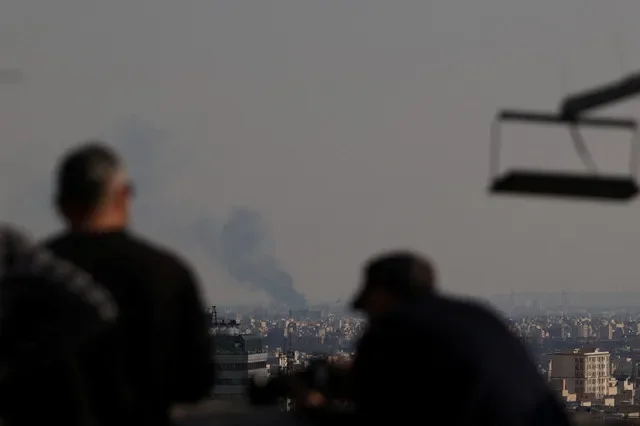
The military situation continues to deteriorate as Iranian armed forces warn of broader and more destructive counter-attacks. Iranian media outlets have identified infrastructure in Saudi Arabia, Kuwait, the United Arab Emirates, and Jordan as potential targets. Furthermore, the Revolutionary Guards claimed responsibility for an attack on an AMAZON.COM INC cloud computing facility located in Bahrain.
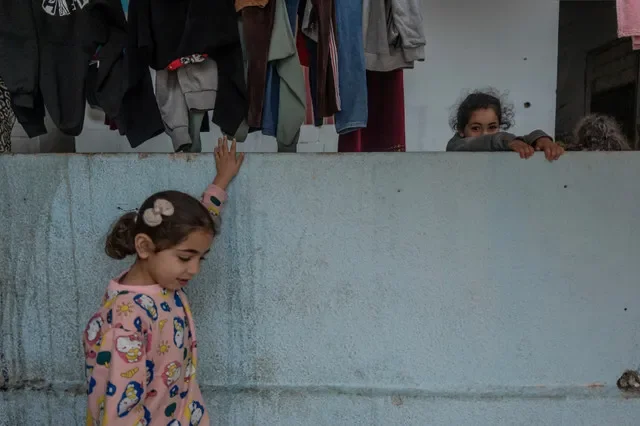
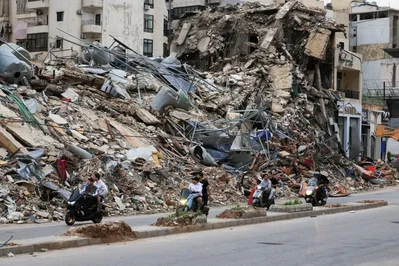
Diplomatic channels remain open but strained. Finland President Alexander Stubb recently urged a peaceful resolution during talks with his Iranian counterpart, emphasizing the need to restore freedom of navigation and end strikes on neighboring states. Meanwhile, Russia has requested a ceasefire to allow its personnel to evacuate the Bushehr nuclear power plant. The conflict has already resulted in thousands of casualties since late February, when the U.S. and Israel initiated air strikes on Iran, sparking a multi-front war that now includes Lebanon.
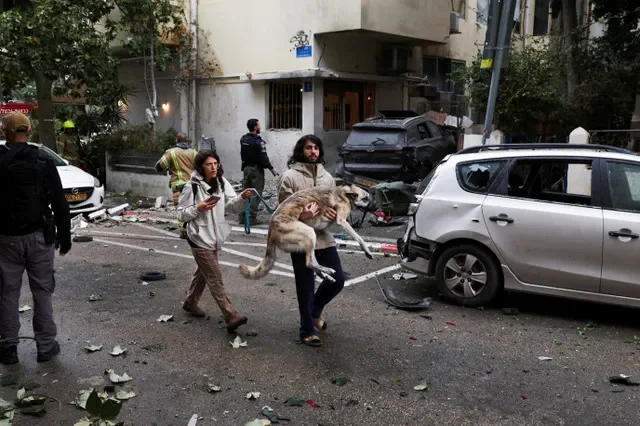
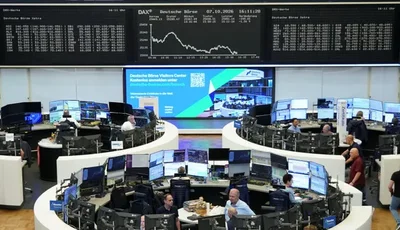
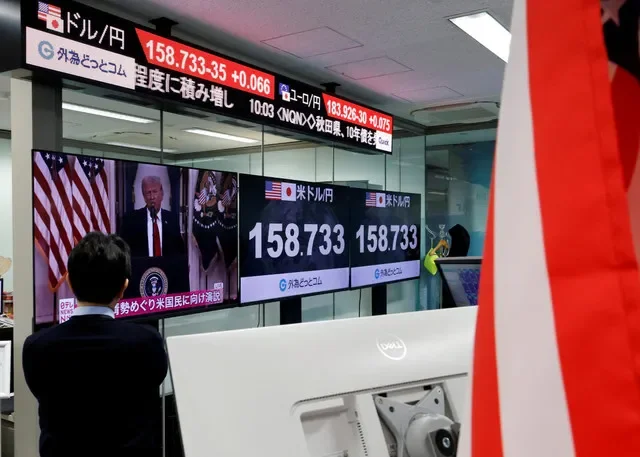
Security concerns have spread to Iraq, where the U.S. embassy has advised citizens to depart immediately due to the threat of militia attacks. On the economic front, the impact of the strait's closure is being felt globally. Brent Crude Oil prices surged by 7% to approximately $108 per barrel, triggering volatility in global equity markets and spiking bond yields.
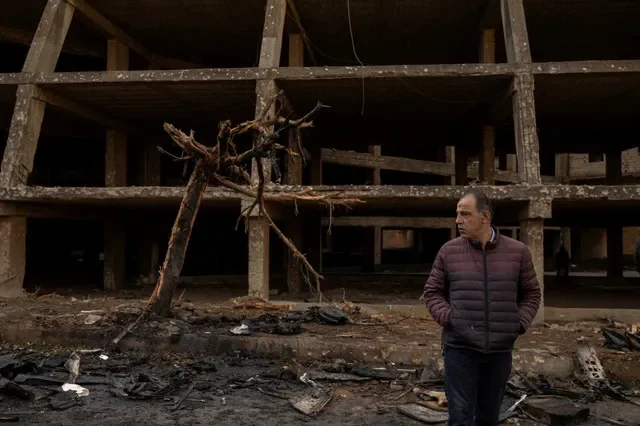
Analysts are closely monitoring the duration of the crisis and its long-term effects on the global economy. Russel Chesler, Head of Investments and Capital Markets at VanEck in Australia, noted that the primary concern for investors remains the timeline for a resolution. Fuel shortages are already causing significant economic strain in Asia and are expected to affect Europe shortly, while United Nations agencies warn of a potential cost-of-living crisis across Africa.
"}```