BDI Lowers 2026 Growth Outlook for German Industry
BDI expects German industry to stagnate in 2026 due to high costs and global risks. The group called for urgent structural reforms to boost competitiveness.

The industrial sector in Germany is facing a period of prolonged stagnation, according to the latest assessment from the BDI industry association. On Monday, the group warned that the nation's economy is struggling under the weight of high energy prices, supply chain vulnerabilities, and deep-seated structural issues.
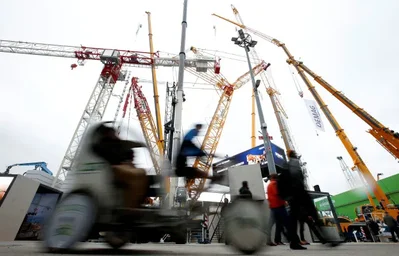
Speaking at the Hannover Messe trade fair, the BDI lowered its economic expectations following a lackluster start to the year. The association highlighted that geopolitical tensions involving Iran have introduced new downside risks, including the potential for increased energy costs and further disruptions to global shipping and logistics networks.
Industrial production in the country has been on a downward trajectory since 2022. BDI President Peter Leibinger expressed concern over the lack of a projected recovery in the near term.
For 2026, we no longer expect a recovery, but stagnation.
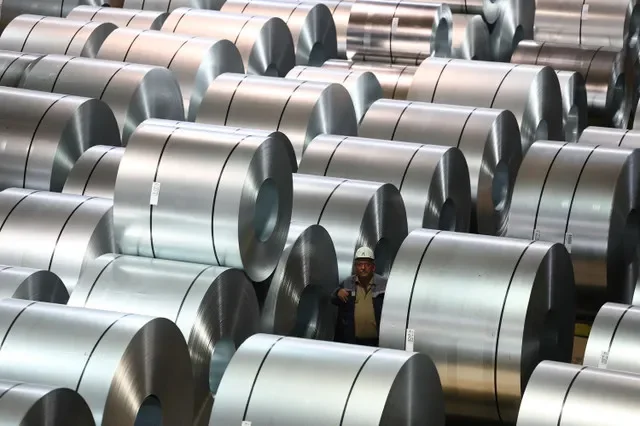
The association further cautioned that the manufacturing sector could experience a fifth consecutive year of contraction if global shipping issues persist. Current data shows that industrial output remains significantly below historical levels, with capacity utilization currently hovering just above 78%.
Leibinger attributed the current malaise to structural problems rather than temporary market fluctuations. He pointed to high labor costs, excessive taxation, burdensome bureaucracy, and expensive energy as the primary factors eroding international competitiveness.
To address these challenges, the BDI is urging the federal government to finalize a comprehensive reform package by the summer. This proposed plan includes tax relief, reliable investment incentives, and a reduction in administrative red tape. Leibinger also emphasized the need for a more efficient, digital public administration and called for a shift away from short-term crisis management toward long-term strategic policy.