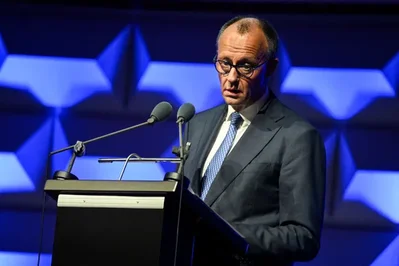
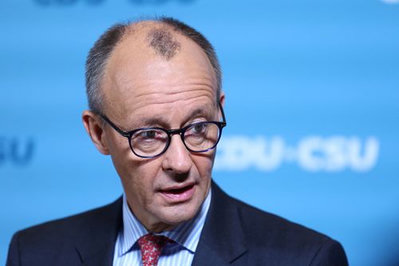
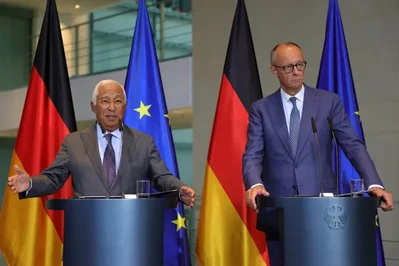
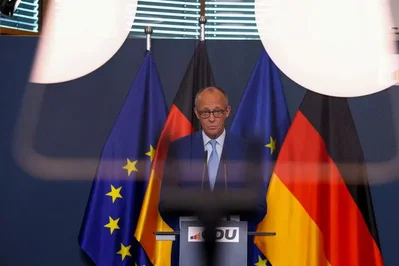
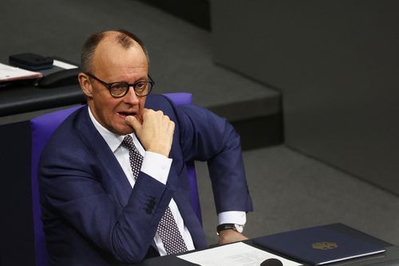
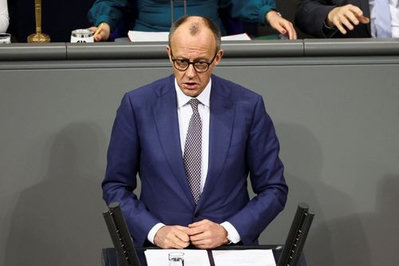
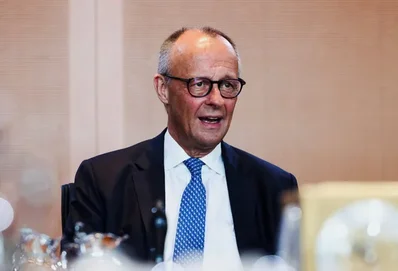
German Chancellor Friedrich Merz Confronts Execution Delays as Massive Stimulus Fund Meets Resistance
Germany sees slow deployment of its 500 billion euro fund while industrial signals improve. Structural reforms remain pending as households stay cautious.
Insights:
Chancellor friedrich merz took office in  DE promising bold fiscal stimulus to revive growth after two years of economic contraction. In March 2025, the German Parliament approved a 500 billion euro special infrastructure fund designed to modernize the country and its economy. However, only 24 billion euros of that fund had been invested by the end of 2025, reflecting a significant gap in implementation and the slow pace of federal decision-making. This delay is particularly critical because DE accounts for approximately one-quarter of eurozone economic output, making its performance a linchpin for the broader regional economy.
DE promising bold fiscal stimulus to revive growth after two years of economic contraction. In March 2025, the German Parliament approved a 500 billion euro special infrastructure fund designed to modernize the country and its economy. However, only 24 billion euros of that fund had been invested by the end of 2025, reflecting a significant gap in implementation and the slow pace of federal decision-making. This delay is particularly critical because DE accounts for approximately one-quarter of eurozone economic output, making its performance a linchpin for the broader regional economy.Growth in DE was just 0.2% in 2025, and while the German Federal Government officially expects a 1.3% expansion for 2026, that figure is likely to be trimmed to 1.0%. The IMF forecasts 2026 growth of 1.1% for the nation. Despite the sluggish pace, investor morale rose in January 2026 to its highest reading since August 2021 according to ZEW economic research institute data. Markets monitoring the DAX and the iShares MSCI Germany ETF have noted this improved sentiment, even as the Euro/US Dollar pair reacts to broader fiscal uncertainty.
DE was just 0.2% in 2025, and while the German Federal Government officially expects a 1.3% expansion for 2026, that figure is likely to be trimmed to 1.0%. The IMF forecasts 2026 growth of 1.1% for the nation. Despite the sluggish pace, investor morale rose in January 2026 to its highest reading since August 2021 according to ZEW economic research institute data. Markets monitoring the DAX and the iShares MSCI Germany ETF have noted this improved sentiment, even as the Euro/US Dollar pair reacts to broader fiscal uncertainty.