The reclassification was initially proposed in October, pending a review of the country's progress in enabling access for global brokers. The FTSE Russell Index Governance Board has now expressed satisfaction with the advancements made regarding the market's infrastructure.
The FTSE Russell Index Governance Board confirms that it is satisfied with the progress made towards implementing the global broker model, which is essential to support index replication.
This move places the Vietnamese market on par with major economies such as India and China, following a series of market-friendly reforms. The upgrade is expected to allow numerous passively managed funds to invest in locally listed companies. While the national benchmark index has declined 6% this year due to geopolitical concerns, it saw a significant 41% increase in 2025, supported by an 8% economic growth rate.
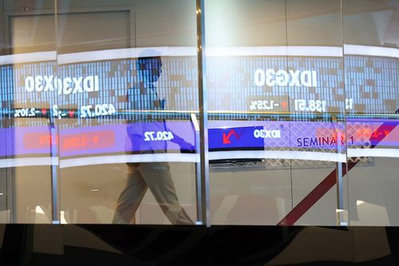
In contrast, the status of Indonesia as a secondary emerging market remains unchanged. FTSE Russell noted it is not currently considering the country for its watch list, despite concerns over transparency in stock ownership. This follows a warning from MSCI INC earlier this year regarding a potential downgrade for the Indonesian market.
FTSE Russell will continue to monitor market reforms in Indonesia and engage with participants ahead of its June review. Additionally, the index provider has kept Egypt on its watch list for a possible downgrade and has reclassified Nigeria as a frontier market.