
France to spend 10 billion euros a year on electrification
France will spend 10 billion euros annually to transition from fossil fuels to electricity. The plan aims to replace 20 percent of all gas imports by 2030.

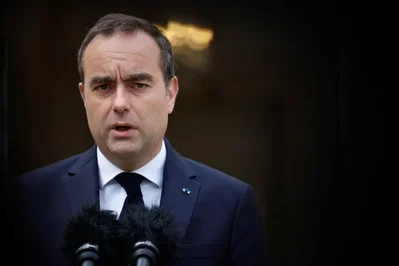
France is doubling its annual state expenditure to 10 billion euros through 2030 to facilitate a nationwide transition from fossil fuels to electricity. Prime Minister Sebastien Lecornu announced the funding increase on Friday, emphasizing the need to reduce reliance on imported energy sources such as Brent Crude Oil and Natural Gas. The move comes as geopolitical instability in Iran has severely disrupted global energy supplies. Ongoing conflict has halted seaborne oil and gas shipments through the Strait of Hormuz and led to the destruction of critical energy infrastructure across the Middle East. Lecornu noted that while domestic nuclear energy is significantly more cost-effective, the nation remains heavily dependent on foreign supplies. > Today 60 percent of our energy consumption comes from these imported fossil fuels, though our domestically produced nuclear power is three times cheaper. The financial strategy aims to replace 85 Terawatt-hours of gas—equivalent to 20% of the annual import bill—with electricity by the end of the decade. This transition is also intended to shield the economy from currency fluctuations, such as those seen in the EUR/USD pair, which affect the pricing of dollar-denominated energy imports. > As long as we depend on oil and gas, we will continue to pay the price of other peoples wars, which unfortunately will continue and will impoverish us. The government's roadmap includes several key initiatives to drive electrification: the installation of one million heat pumps annually between now and 2030, a ban on the installation of new gas boilers in newly constructed housing starting next year, and incentives to increase the adoption of electric vehicles across the country. By modernizing home heating systems and shifting the transport sector away from oil derivatives, the government hopes to secure long-term energy independence and price stability.