France poised to invest in Australian critical minerals
France is eyeing investment in Australian critical minerals to secure its supply chains. This follows a new free trade deal between Australia and the EU.

France is among the nations poised to invest in Australia's critical minerals sector, according to Resources Minister Madeleine King. This interest follows a framework agreement between Canberra and the United States, which has prompted countries with advanced manufacturing sectors to secure their access to essential supply chains.
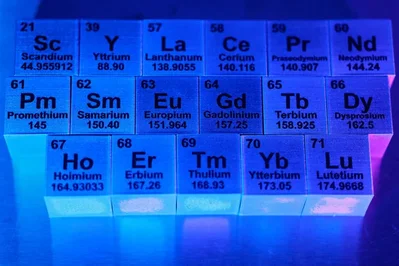
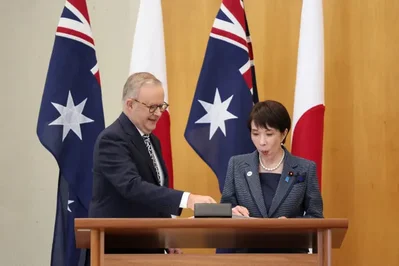
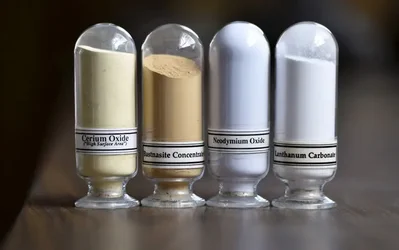
Australia has been on a four-year mission to build a domestic industry for minerals such as rare earths, which are vital for future technologies in electronics and defense. This effort aims to diversify supply chains away from China, which currently dominates global production. Beyond the agreement with the U.S., which includes an $8.5 billion investment pipeline, Australia has established cooperation deals with Japan, South Korea, India, Germany, and the United Kingdom.
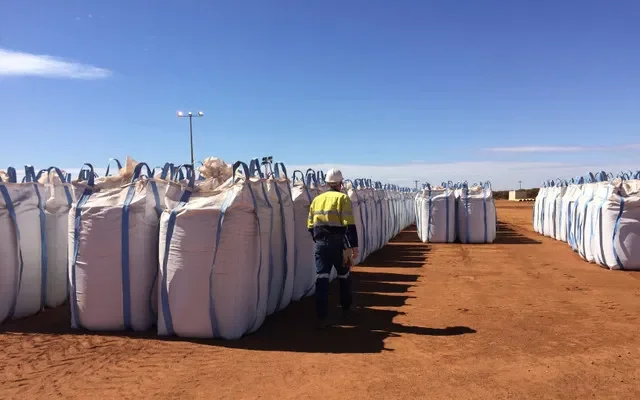
Minister King noted that the work has taken on new urgency since the U.S. framework was established, as other partners seek to guarantee their access to critical resources.
"France is more and more keen."
France has engaged through policy and financing frameworks, including the export credit agency Bpifrance Assurance Export. However, unlike the U.S. and Japan, it has not yet announced large-scale project funding for Australian critical minerals. Australia is currently seeking billions in additional investment for 49 mining projects and 29 midstream processing projects, with the sector forecast to generate A$18 billion in export earnings in the coming financial year.
To advance these objectives, Australia recently joined the G7 Critical Minerals Production Alliance and signed a free trade agreement with the European Union after eight years of negotiations.
"Many other countries just arent used to getting involved in mining and mining-style financing, but theyre going to have to, if they want to ...have that secure supply."
Since the current government was elected in May 2022, Australia has provided A$28 billion in financial support for the sector. King emphasized that the industry may require decades of development to reach maturity.
"If you want to compare timelines, it took China 40 years."
Canberra is also developing an A$1.2 billion strategic reserve focusing on gallium, rare earths, and antimony, which is expected to be operational in the second half of this year. This reserve is intended to supply partners and will likely include a floor price mechanism. This initiative is expected to act as a catalyst for the U.S. minerals stockpile, known as Project Vault.
"When there is an upside, the government should be able to get some of that benefit, but also exit this part of the arrangement."
Australia's rare earth production capabilities, led by firms like LYNAS RARE EARTHS LTD, are central to these international cooperation efforts. Furthermore, the strategic focus on antimony within the new reserve highlights the importance of the global supply chain, involving entities such as the United States Antimony Corporation.