Slow bird flu spread offers poultry relief

Bird flu is spreading across Europe and the United States at its slowest pace since 2020. Officials remain cautious as the virus could still flare up during the winter migration season.

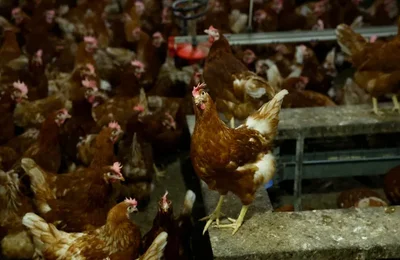
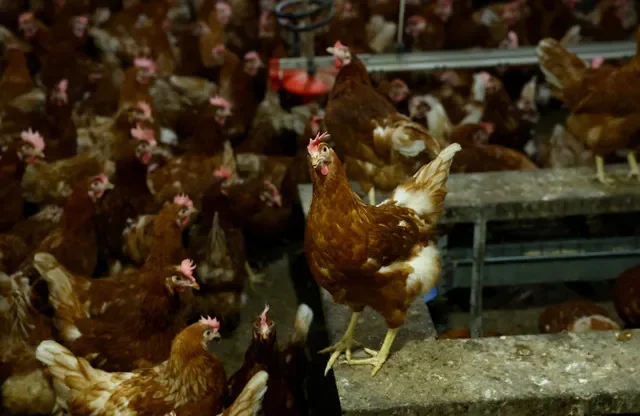
FILE PHOTO: A chicken stands inside a poultry house at a farm as record heatwaves and drought have aggravated climate risks for farmers in Hajduszboszlo, Hungary, August 26, 2026. REUTERS/Bernadett Szabo/File Photo

Bird flu is spreading across Europe at its slowest pace since 2020, offering relief to the €27 billion poultry sector. This quieter season raises hopes the industry can avoid previous crises that killed millions of birds. However, historical precedent shows the virus could still flare up later in the season.

Tracking Outbreaks Across Regions

By late November, 51 outbreaks had been detected on farms in the European Union and the United Kingdom, according to data from France's animal health surveillance body ESA. That figure compares with 330 outbreaks at the same point last year and marks the lowest total since the 21 recorded by this time in 2020.

In the United States, autumn outbreaks have also remained relatively limited, with 88 outbreaks confirmed on poultry farms between August and late November, affecting 6 million birds. That total compares with 177 outbreaks and 9.5 million birds a year earlier.

Assessing the Winter Migration Risk

A slow start does not guarantee a mild season, as the 2020/21 cycle began quietly before becoming Europe's second-worst bird flu crisis with more than 22 million birds dying or culled. Poland, the EU's largest poultry producer, reported its first outbreak in six months on a turkey farm.

Other nations reporting farm outbreaks this season include Germany, the Netherlands, Portugal, Sweden, Bulgaria, and Italy, with some authorities ordering flocks kept indoors to protect them from the virus.

Avian influenza is really difficult to predict. So there is not a guarantee that being late now means that there might be a lower risk this time than other years. — Nan-Dirk Mulder, Rabobank poultry analyst

European officials will monitor migration patterns as winter progresses. Bruno Mousset, a director at French poultry group LDC, noted that the sector remains vigilant while avoiding the crisis conditions seen in past years.

European health authorities will review updated poultry surveillance figures on December 15.

Insightful questions