EU to resume trade and political cooperation with Syria
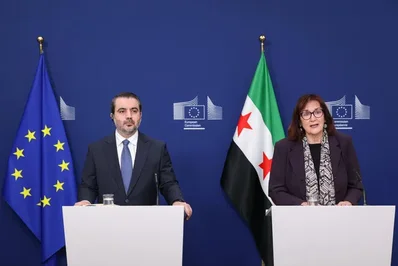
The EU will relaunch formal political contacts with Syria on May 11. The plan aims to restore trade ties and facilitate the safe return of refugees.

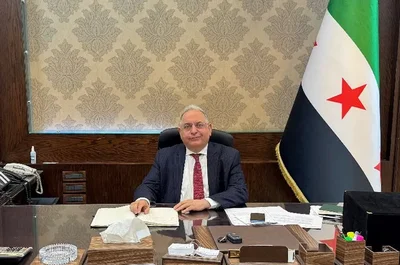
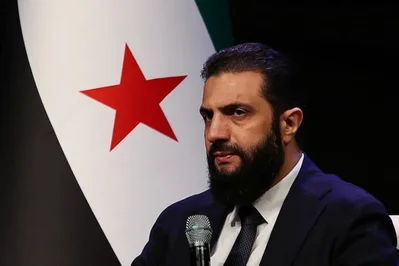
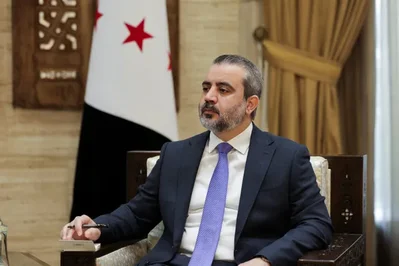
The European Union is preparing to restore formal relations with Syria through a series of political, economic, and security initiatives, marking a significant shift in policy after years of diplomatic isolation. According to a document from the bloc's diplomatic arm, the EU plans to resume its 1978 cooperation agreement and launch a High-Level Political Dialogue with the country's transitional authorities on May 11. This transition follows the ousting of former leader Bashar al-Assad in late 2024 by an alliance led by interim President Ahmed al-Sharaa.

The EU also intends to adapt its sanctions regime to maintain political leverage while supporting the new leadership. Economic engagement will be bolstered through a framework for trade and investment, including a new technical assistance hub to improve the business environment. A key ambition is the integration of the nation into regional connectivity projects like the India–Middle East–Europe Economic Corridor, which includes India.
Geopolitically, the region is becoming a critical transit hub for energy and transport, particularly following the closure of the Strait of Hormuz during the war in Iran. This week, the first tanker carrying oil from Iraq departed from the Syrian port of Baniyas. Additionally, Turkey and Jordan have agreed to upgrade their railway networks to establish a corridor linking southern Europe to the Gulf.
The return of refugees remains a top priority for European capitals. Europe currently hosts over one million Syrian refugees, with roughly half of them located in Germany. The EU document outlines plans to work with Damascus to facilitate the safe, voluntary, and dignified return of these individuals.
On security, the EU plans to support training for the police and institutional building within the interior ministry, alongside cooperation on counterterrorism and drug trafficking. The document also highlights support for the January agreement between Damascus and Kurdish-led authorities. This political transition was marked by the appointment of a YPG commander as a deputy defense minister and the United States military handing over its final base to the Syrian army this week.