EU Weighs Energy Price Caps Amid Iran War Disruptions
EU energy ministers meet today to discuss emergency measures for energy costs caused by the Iran war. Proposals include gas price caps and national tax cuts.

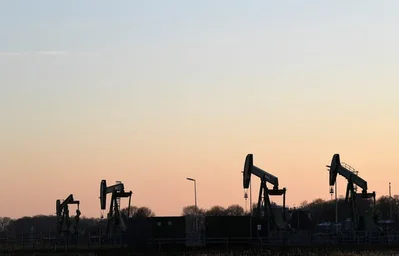
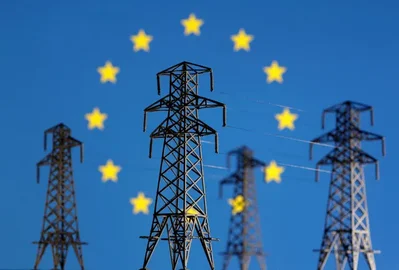
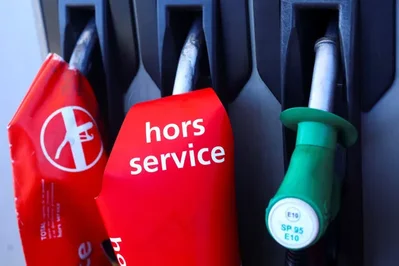
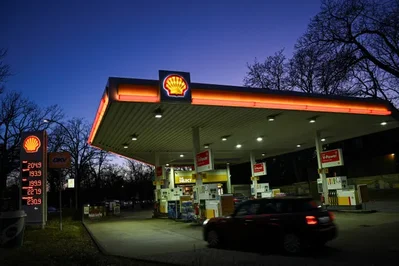
European Union energy ministers are scheduled to convene on Monday to evaluate strategies for controlling escalating energy costs. This meeting comes as officials develop emergency frameworks to mitigate the impact of soaring oil and gas prices, which have been destabilized by the ongoing conflict in Iran. The European Commission is currently preparing measures to protect consumers, including potential state aid for industries, national tax reductions, and adjustments to the carbon market to increase the supply of CO2 permits. Commission President Ursula von der Leyen has indicated that Brussels is also weighing the possibility of implementing a cap on gas prices. These discussions occur against a backdrop of severe market volatility following the closure of the Strait of Hormuz. This strategic waterway's shutdown has significantly hampered the global trade of Cheniere Energy, Inc. and caused historic disruptions to oil supplies. Europe remains particularly vulnerable to global price fluctuations due to its heavy reliance on imported fossil fuels. Experts suggest that structural challenges within the European energy landscape mean there are no immediate remedies. Joanna Pandera, president of the Forum Energii think-tank based in Poland, noted the complexity of finding a unified approach. > There are structural reasons why energy prices in Europe are high, as different energy mixes and taxes mean prices vary significantly across the EU. > It’s really hard to find one solution which fits all. Pressure is mounting on European governments as benchmark gas prices have surged by more than 50% since the start of the hostilities. Nations such as Italy are advocating for broad EU-level interventions, including the temporary suspension of the bloc's carbon market to lower the impact of gas-fired power plants on electricity costs. However, other member states expect the focus to remain on domestic subsidies and tax cuts. This reliance on national-level support raises concerns about economic disparity within the union. A senior diplomat pointed out that wealthier nations have a distinct advantage in providing relief. During the 2022 energy crisis, Germany accounted for 158 billion euros of the 500 billion euros spent across the EU on support measures. > Not everyone can afford state aid, that’s the problem. > It’s fine for those that have deep pockets. Von der Leyen is expected to present a finalized list of emergency options to EU leaders ahead of a summit this Thursday. In the long term, Brussels maintains that the transition to locally-produced renewable energy and nuclear power is the only way to eliminate the continent's exposure to volatile international markets.