EU develops emergency plans to secure jet fuel supplies
The EU is drafting plans to boost refinery output as the Iran crisis threatens jet fuel supplies. Officials warn of potential shortages within weeks.

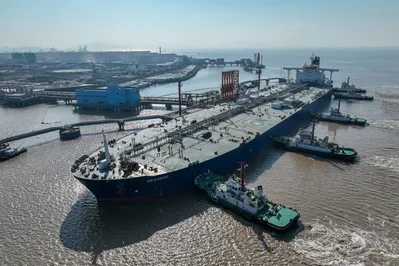
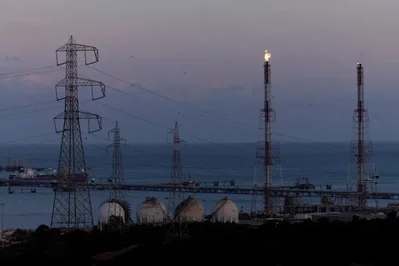
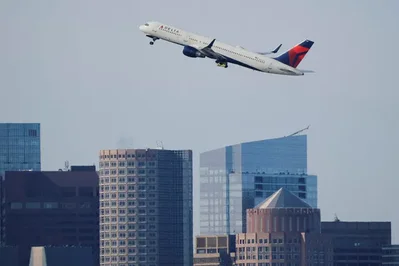
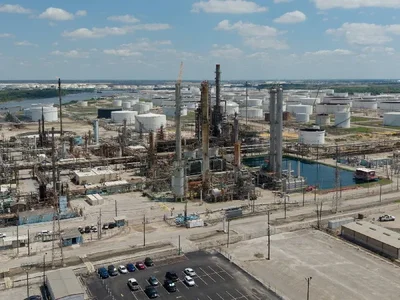
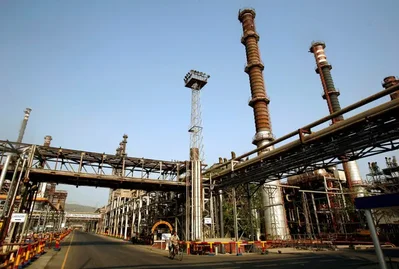
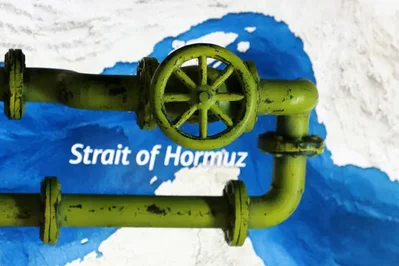
The European Union is moving to secure its aviation sector as a deepening crisis in Iran threatens to destabilize global fuel markets. European officials are currently drafting strategic plans to mitigate a potential jet fuel supply crunch, with airlines warning that reserves could dwindle significantly within weeks. This instability comes at a critical time as the industry prepares for the peak summer travel season. Europe remains uniquely vulnerable to disruptions in the Middle East, sourcing approximately 75% of its jet fuel imports from the region. The ongoing conflict has already introduced volatility to energy benchmarks, affecting the pricing of Brent Crude Oil and West Texas Oil. In response, the European Commission is expected to launch a comprehensive mapping of refining capacity across the continent starting next month, ensuring that existing infrastructure is utilized to its maximum potential. The geopolitical landscape remains tense as the United States continues to monitor the situation. While some diplomatic signals suggest the conflict could be brief, American naval forces have been active in turning back vessels from Iranian ports, further complicating the logistics of fuel transport through the Strait of Hormuz. Airlines are bracing for a difficult period. The International Energy Agency has projected that shortages could manifest by June if the region is unable to find alternatives for at least half of its typical Middle Eastern supplies. While some airports are monitoring their stocks closely, others have warned that they could face critical levels within 21 days if shipments do not resume. > Our (jet fuel) suppliers are changing their forecasting windows, and theyre no longer keen to give an outlook over a time window that goes beyond one month. This observation from Lufthansa Chief Technology Officer Grazia Vittadini underscores the operational challenges facing major carriers. The ability to plan long-haul schedules is increasingly hampered by the lack of long-term fuel price and supply visibility. The impact of the supply threat is not uniform across the continent. For instance, Spain maintains a robust refining sector with eight facilities, allowing it to remain a net exporter of kerosene. Conversely, the United Kingdom is heavily reliant on external sources, importing over 60% of its required jet fuel. While the UK is no longer part of the EU, it remains part of the broader OECD Europe energy network alongside countries like Norway, all of which share a high exposure to Middle Eastern supply routes. Under current regulations, EU member states are required to hold 90 days of emergency oil reserves. Although there is no specific requirement dedicated solely to jet fuel, governments are being urged to consider kerosene as a priority within these stocks to ensure the continuity of air transport during the current crisis.