EU and grid operators agree on new gas corridor tariffs
EU and five gas grid operators agreed on tariffs today for the Vertical Gas Corridor to improve competitiveness. New rates will take effect in October 2026.

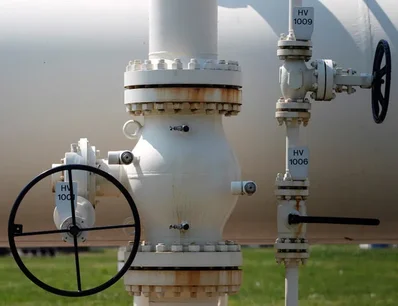
Natural gas grid operators from Greece, Bulgaria, Romania, Moldova, and Ukraine have reached a landmark agreement with the European Commission regarding tariffs for the Vertical Gas Corridor. This strategic move is designed to enhance the competitiveness of the route, which transports natural gas from the Mediterranean into Eastern Europe, while diversifying energy supplies across the continent. According to a statement from the Greek grid operator DESFA, the newly agreed-upon tariffs will be implemented starting in October 2026. These rates are designed to align with European Union regulatory frameworks to ensure transparency and market efficiency. The project, which began in 2016 as a collaboration between Greece, Bulgaria, Romania, and Hungary, expanded its reach in 2024 when Ukraine and Moldova officially joined the initiative. The operators emphasize that the standardized trade approach will provide a more robust infrastructure for the region. > "The agreed trade approach introduces new tariffs that make the Vertical Corridor a highly competitive and strategic energy artery for Southeastern and Central Europe at a particularly critical time for the continents energy security," DESFA noted in its official release. Starting with the 2026–2027 gas year, the five participating operators will introduce a comprehensive suite of capacity products. For the first time, market participants—ranging from regional suppliers to international firms like Natural Gas Services Group, Inc.—will have access to daily, monthly, quarterly, and annual capacity options. To ensure a smooth transition, the operators intend to submit requests to their respective national regulatory authorities to extend the availability of existing capacity products until the full launch in October 2026. This transitional phase is specifically aimed at supporting the security of supply for Ukraine as the region shifts to the new competitive tariff model.