Regulatory and Labor Hurdles
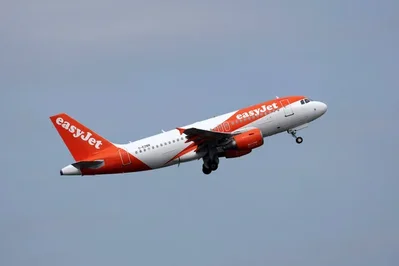
European labor representatives raised concerns about the airline's post-acquisition ownership structure. The European Works Council stated that the transaction threatens long-term operational resilience and exposes staff to unmitigated risks, offering only 12 months of non-binding employment commitments.
Employee representative bodies in France, Portugal (Portugal), and Spain withheld endorsement, while employee groups in United Kingdom and Germany adopted a neutral stance on the financial terms. EasyJet secured initial regulatory approvals in those markets alongside Austria and Malta, though broader jurisdictional clearances remain pending. EasyJet shares rose 1.2% following the publication.
Strategic Overhaul and Timeline
Apollo designed a governance framework to ensure the carrier remains majority-controlled by European interests, aiming to satisfy aviation regulators. The buyout strategy shifts the airline's business model away from pure low-cost operations by introducing a new loyalty program and premium travel products designed to increase customer spending.
EasyJet holds court and shareholder meetings in the week starting November 9 to vote on the acquisition.
Investors will monitor the shareholder vote during the week of November 9.