Surging Costs and Supply Shocks
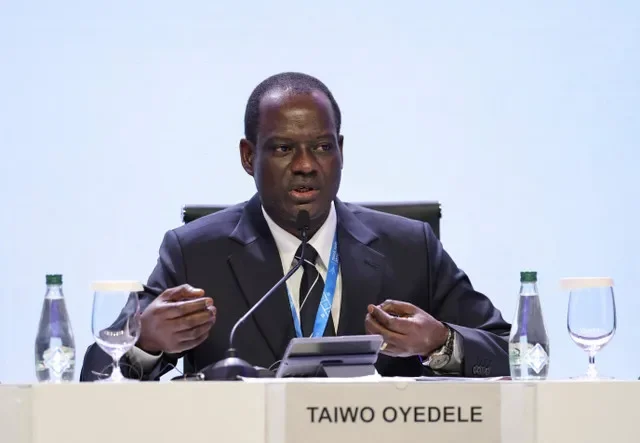
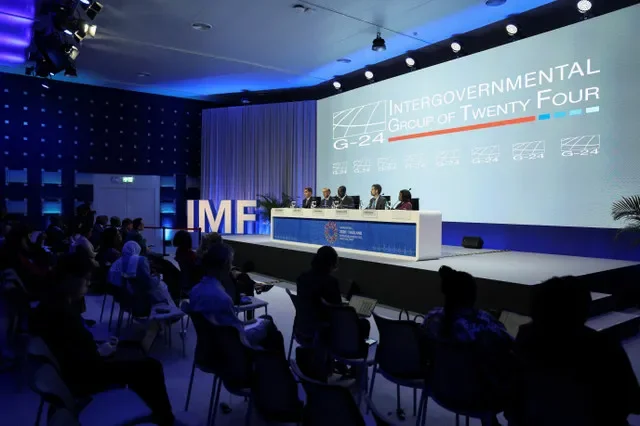
Heavily indebted developing economies face intense pressure from supply shocks tied to the Middle East conflict, rising food prices from a super El Niño, and elevated borrowing rates. G24 chair Taiwo Oyedele said developing nations are grappling with mounting debt burdens and high servicing costs during Tuesday morning's meetings in Bangkok.
What we have seen by members of the G24 and across particularly the developing countries such as those in Africa, is an increasing body of not just high debts, but high costs of debts.
The International Monetary Fund and World Bank held annual meetings where officials urged multilateral lenders to provide more accessible and affordable concessional financing. G24 secretariat director Iyabo Masha noted that high debt levels prevent governments from financing vital domestic growth initiatives.
Sovereign Debt Restructuring
Recent improvements to sovereign debt architecture are designed to help countries resolve crises more quickly. Senegal is close to a final resolution with its creditors following misreported debt estimated at $13 billion.
Beyond debt hurdles, developing economies risk falling behind in artificial intelligence adoption. The IMF trimmed Latin America's growth forecasts, noting the region receives little lift from the AI boom supporting developed markets. Masha warned that countries starting without adequate electricity and data infrastructure face a widening digital divide.
The International Monetary Fund will release updated global economic outlook projections on October 15.