Democratic Senators Challenge LNG Tanker Tax Credits
Senators are questioning Treasury over LNG tankers receiving tax credits meant for small boats. Cheniere Energy reportedly received $370 million in breaks.

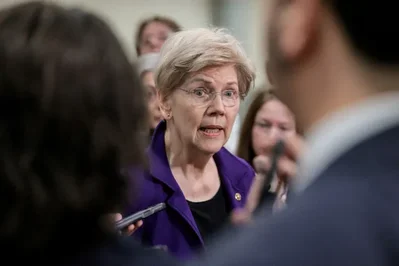
A group of Democratic senators in the United States has formally questioned Treasury Secretary Scott Bessent regarding the eligibility of massive liquefied natural gas (LNG) tankers for a specific federal tax credit. The lawmakers are seeking clarification on whether these large-scale vessels should qualify for the Alternative Fuel Excise Tax (AFET) credit, a subsidy originally designed to encourage smaller watercraft to move away from traditional oil-based fuels. The AFET credit was established in 2005 under the Bush administration with the intent of reducing petroleum dependence by subsidizing a transition toward alternative energy sources such as Natural Gas and propane, a sector involving companies like SUBURBAN PROPANE PARTNERS LP. However, critics argue that applying this credit to LNG tankers does not align with the original environmental goals, as many of these ships are already built to utilize the gas that naturally boils off during transport. In a letter signed by Senators Jeff Merkley, Elizabeth Warren, Chuck Schumer, and four others, the lawmakers argued that the tax break provides no additional environmental benefit. > Providing tankers with AFET credits would unnecessarily waste taxpayer money while doing nothing to protect the environment, reduce costs for everyday Americans, or lessen the United States dependence on oil. The senators highlighted a significant discrepancy in scale between the intended recipients and the current beneficiaries. While some federal regulations define the target motorboats as vessels less than 65 feet in length, modern LNG tankers can span the length of three football fields. This debate gained momentum after CHENIERE ENERGY INC revealed in February that it had secured a $370 million tax benefit for utilizing fuel within its tanker fleet. While the Treasury Department has not yet issued a formal response to the inquiry, the challenge reflects growing scrutiny over energy subsidies. Although Senate Democrats currently sit in the minority, the outcome of the upcoming November midterm elections could shift the legislative influence over such fiscal policies.