Delta Air Lines Removes Key Sustainable Fuel Targets
Delta Air Lines has removed its target to use ten percent sustainable fuel by 2030. The carrier also rephrased its 2050 net-zero goal as an aspiration today.

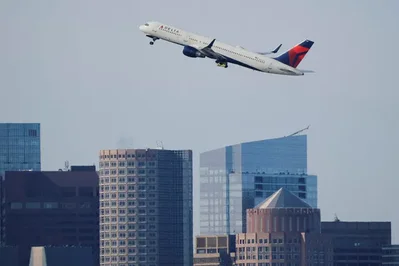
Delta Air Lines has reportedly adjusted its environmental sustainability targets, moving away from specific benchmarks for alternative fuel usage and reclassifying its long-term emissions goals. According to a report from Bloomberg News, the carrier recently removed a pledge from its website to use sustainable aviation fuel for 10% of its jet fuel by 2030. Additionally, the airline has rephrased its commitment to achieve net-zero emissions by 2050, now describing the target as an aspiration rather than a formal goal.

Sustainable aviation fuel (SAF), which is primarily made from waste products or used cooking oil, can significantly lower carbon emissions compared to traditional jet fuel. However, the fuel remains two to five times more expensive than conventional options, creating a significant financial barrier for airlines. A spokesperson for the airline indicated that while SAF is essential for decarbonization, the industry faces hurdles due to the slow development of the market.
"The airline still views SAF as one of the most important ways to decarbonise flight, but its slow development threatens the industry's climate ambitions."
The challenges at Delta Air Lines reflect a broader trend within the global aviation sector. Willie Walsh, the director-general of the International Air Transport Association (IATA), noted that the scarcity of efficient new aircraft and alternative fuels is putting the industry's primary emissions goals at risk. Supply chain disruptions have also delayed the deployment of new engines and planes.
"Shortages of efficient new aircraft and alternative fuels were pushing up profits for suppliers and putting at risk the industry's flagship emissions goal."
The aviation industry currently accounts for an estimated 2% to 3% of global carbon emissions. In 2021, hundreds of airlines committed to achieving net-zero emissions by 2050, a goal that relies heavily on the availability of SAF and modern fleet technology.