
Chinese Teapots Pay Premium for Iranian Crude Oil
Chinese independent refiners are paying premiums for Iranian oil as benchmark prices fall. This follows a US sanctions waiver allowing India to resume imports.

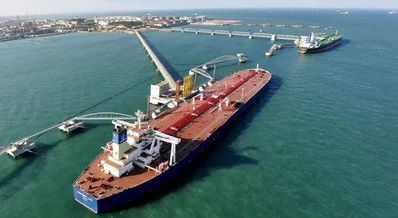
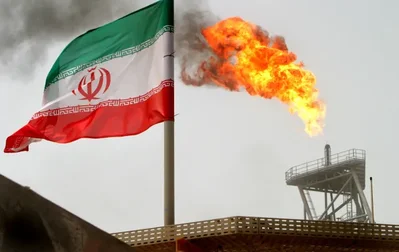
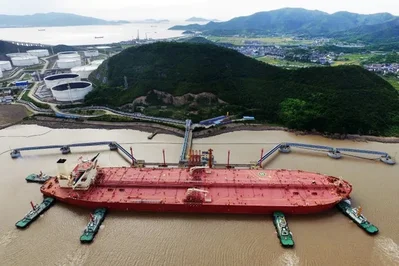
Independent refiners in China have started purchasing crude oil from Iran at premiums to the international benchmark for the first time in years. This pricing shift follows a decline in benchmark prices and emerging expectations that India may increase its intake of Iranian cargoes following a temporary sanctions waiver by the United States. Historically, Iranian oil has traded at significant discounts to Brent Crude Oil due to international sanctions. However, trade sources indicate that at least two independent refiners in Dongying, a key hub in Shandong province, recently secured Iranian Light crude at premiums of $1.50 to $2.00 per barrel over ICE Brent. This represents a stark reversal from the $10 per barrel discounts observed before the recent Middle East conflict. The demand for prompt cargoes increased after Brent crude futures dropped 13% to levels below $100 earlier this week. Although prices saw a slight recovery as maritime traffic through the Strait of Hormuz faced disruptions, the lower entry price for crude has improved the economic outlook for Chinese teapot refiners. These private firms were also recently issued fresh import quotas by Beijing, further driving their appetite for immediate deliveries. Market conditions have also been influenced by domestic policy changes. Earlier this week, the Chinese government raised retail price ceilings for gasoline and diesel by 420 yuan and 400 yuan per metric ton, respectively. These higher domestic fuel prices, coupled with lower crude costs, have significantly improved refining margins. Furthermore, the state planner in China has urged independent refiners to maintain high processing rates, specifically advising against dropping below the average of the last two years. This directive aims to protect the domestic fuel supply as state-owned refineries begin to scale back their production. The cargoes currently purchased at a premium are reportedly floating near the Chinese coast and are expected to be delivered within the current month.