China Suspends Fuel Exports Amid Middle East Conflict
China asked refiners to halt fuel exports as the Iran war curbs output. The move aims to secure domestic supply and is expected to tighten Asian fuel markets.

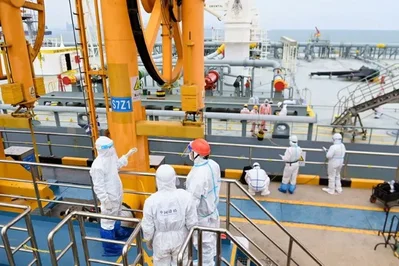
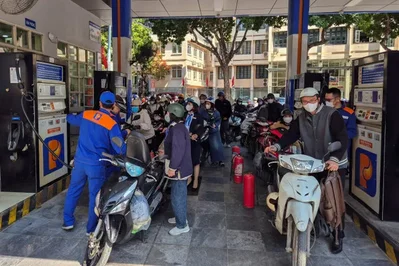
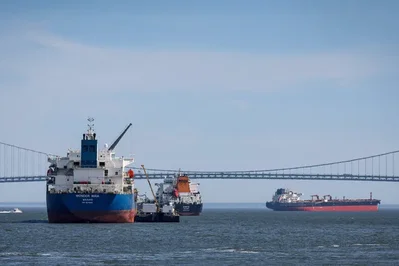
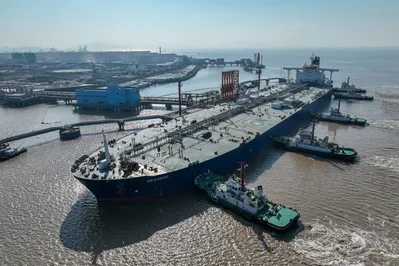
China has reportedly instructed its domestic refiners to suspend the signing of new fuel export contracts and seek cancellations for existing commitments as the conflict involving Iran tightens global oil supplies. The guidance, which aims to stabilize domestic availability, comes as refinery output faces constraints from rising crude costs and geopolitical instability. These restrictions specifically target gasoline and diesel exports but exclude jet fuel for international flights, bonded bunkering, and essential supplies to Hong Kong and Macau. The reduction in exports from one of Asia's primary fuel suppliers is expected to further strain regional markets and drive refining margins higher. Diesel processing margins recently hovered near three-year highs of $49 a barrel, while jet fuel cracks surpassed $55 a barrel. These developments are occurring alongside a surge in the price of Brent Crude Oil, which has been impacted by the escalating conflict in the Middle East. Industry analysts expect the impact on export volumes to become evident starting in April, as most March shipments are already committed. Combined exports of gasoline, diesel, and jet fuel for March are estimated to remain around 3.8 million metric tons. However, major facilities like the privately-led Zhejiang Petrochemical Corp and the Sinopec-operated Fujian refinery have already begun reducing throughput in response to disrupted crude flows. Domestic fuel prices in the Chinese market have rallied significantly. Wholesale diesel prices climbed 13.5% to 7,276 yuan per ton between late February and early March, while 92-octane gasoline rose 11% to 8,208 yuan per ton. Traders at independent refineries, particularly in the Shandong province hub, have noted an environment of rising prices. > \"We're busy pushing up prices, hoping to maximise our profits during this period.\" While the export suspension creates uncertainty for regional buyers, some have reported that March deliveries are still expected to arrive on schedule. The Chinese government continues to manage fuel exports through a quota system, with the first issuance for 2026 remaining relatively stable at 19 million tons.