Central Europe energy resilience grows amid Iran war
S&P Global says Central Europe is more resilient to energy shocks due to diversification. Poland and the Czech Republic lead while Hungary remains vulnerable.

Central and Eastern Europe has demonstrated increased resilience to energy supply shocks following a concerted effort to diversify sources since the invasion of Ukraine by Russia in 2022. According to S&P Global Inc., these strategic buffers are now providing a shield against the economic consequences of escalating tensions in the Middle East. The region, which relies heavily on imports, saw its financial markets fluctuate due to the conflict involving the United States and Israel against Iran, though markets stabilized on Tuesday following hopes for a de-escalation.
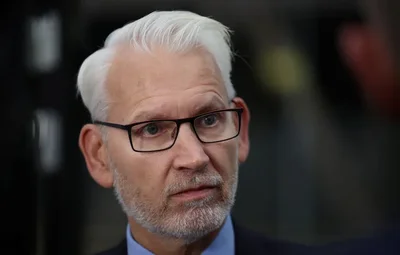
Ravi Bhati, S&P’s director for sovereign ratings in EMEA, explained that the region was forced to adapt rapidly after being hit hard at the start of the conflict in Eastern Europe.