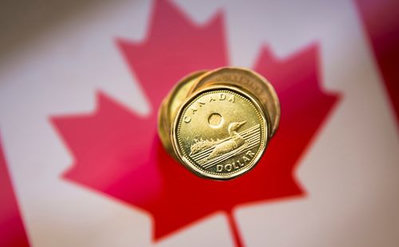

Canadian Dollar Falls 1.3% Amid Geopolitical and Employment Concerns
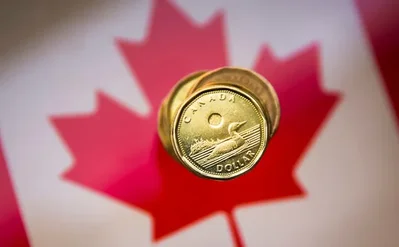
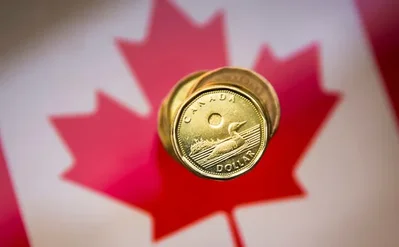
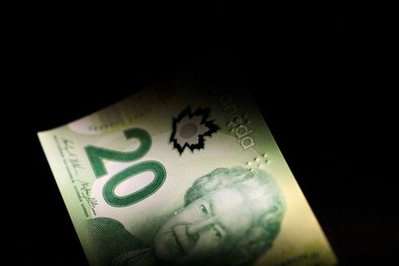
The Canadian dollar weakened by 1.3% this week, trading at 1.3905 per U.S. dollar on January 9, 2026. This decline is attributed to geopolitical uncertainty in Venezuela, mixed domestic employment data, and reduced expectations of U.S. Federal Reserve rate cuts.
Insights:
The Canadian dollar experienced a significant decline this week, falling 1.3% to 1.3905 per U.S. dollar by January 9, 2026. This marks the largest weekly drop since February of the previous year. The currency's weakness is largely driven by three converging factors: geopolitical uncertainty in Venezuela  VE, mixed domestic employment data, and a strengthened U.S. dollar due to reduced expectations for U.S. Federal Reserve rate cuts.
VE, mixed domestic employment data, and a strengthened U.S. dollar due to reduced expectations for U.S. Federal Reserve rate cuts.Geopolitical events in Venezuela, where the oil sector has come under U.S.  UScontrol, are creating structural risks for Canada's
  CAheavy oil export markets. This shift poses a competitive threat to Canadian companies, as Venezuelan crude may be diverted to the United States, affecting Canada's position in the heavy crude export sector. Oil, a major export for Canada, saw prices settle 2.35% higher at $59.12 a barrel , yet this did little to bolster the loonie, which touched its weakest intraday level since December 5 at 1.3914.
UScontrol, are creating structural risks for Canada's CAheavy oil export markets. This shift poses a competitive threat to Canadian companies, as Venezuelan crude may be diverted to the United States, affecting Canada's position in the heavy crude export sector. Oil, a major export for Canada, saw prices settle 2.35% higher at $59.12 a barrel , yet this did little to bolster the loonie, which touched its weakest intraday level since December 5 at 1.3914.