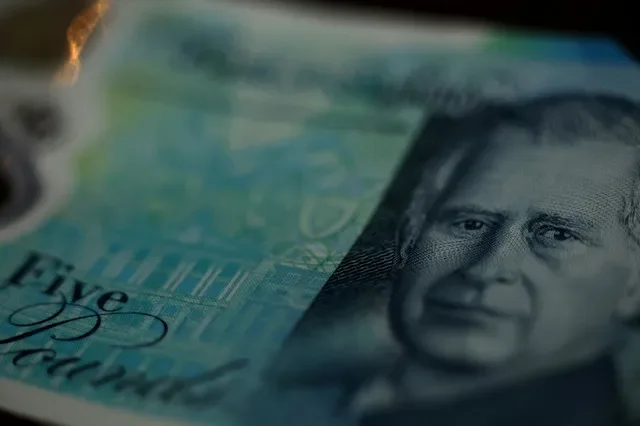
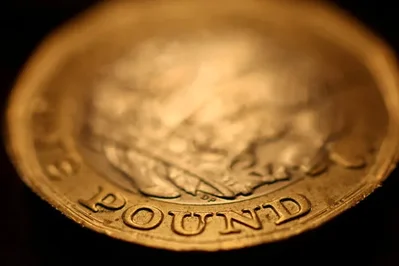
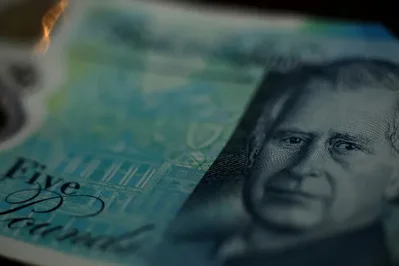
The United Kingdom remains sensitive to global energy market volatility due to its reliance on fuel imports. Throughout the conflict, the pound has faced headwinds from the rising costs of Brent Crude Oil and Natural Gas. Meanwhile, the EUR/GBP cross remained relatively stable, trading near 87 pence as the dollar broadly weakened on safe-haven outflows.
Nick Rees, head of macro research at Monex Europe, suggested that the current market strength for sterling may be driven more by external factors than domestic improvements.
"In our view, this environment is actually quite constructive for the pound, not because anythings actually improved."
Analysts caution that the pound may face renewed pressure in the coming months as attention returns to the domestic political landscape. Upcoming local elections in early May are expected to be a significant test for the Labour Party and may trigger renewed speculation regarding the leadership of Prime Minister Keir Starmer.
"We do have those local elections coming up at the beginning of May and we dont think markets or indeed a lot of politicians have grasped quite how bad these could be for the Labour Party."
Investors are also closely monitoring the Bank of England, with several officials, including Governor Andrew Bailey, scheduled to speak on Tuesday. While the central bank has previously cautioned against expecting imminent policy shifts, money markets are currently pricing in at least one 25-basis-point interest rate hike by 2026, as elevated energy prices continue to influence long-term inflation expectations.