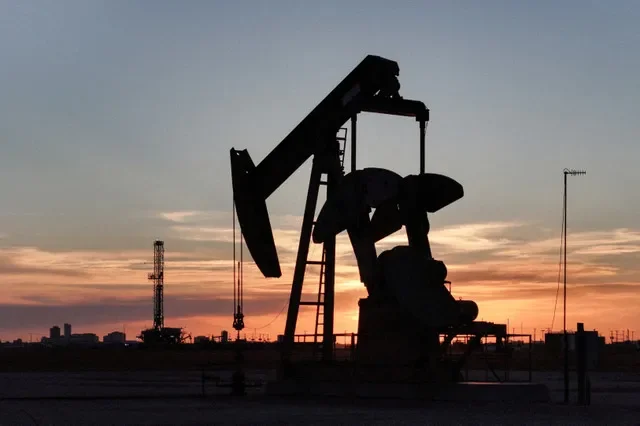
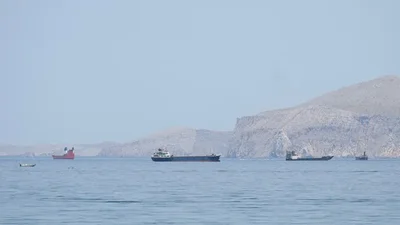
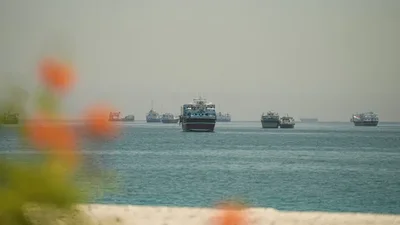
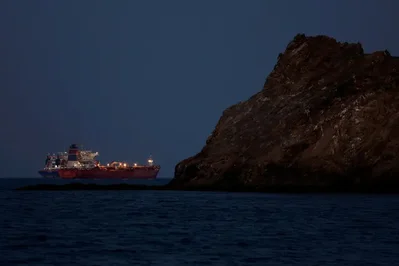
Supply disruptions continue to plague the energy sector, particularly in the Strait of Hormuz. The waterway, which typically handles 20% of global oil and Natural Gas supplies, remains largely at a standstill with only three ships passing through in the last 24 hours. Saad Rahim, chief economist at Trafigura, highlighted the severity of the situation during a commodities summit.
Youve already at this point lost a billion barrels, even if this resolves tomorrow.
In the Middle East, the military of Israel reported that Hezbollah launched rockets at troops in southern Lebanon. This development has raised concerns about the stability of the regional ceasefire ahead of upcoming talks mediated by American officials.
Economic sentiment in Europe is also under pressure. In Germany, investor morale has reached its lowest point in three years as the broader consequences of the conflict begin to impact businesses. While the German government indicated that jet fuel supplies are not currently in danger, the European Union is preparing guidance for airlines to manage potential fuel shortages.
Energy logistics in Eastern Europe showed signs of potential movement as Ukraine announced that the Druzhba pipeline is ready to resume pumping oil from Russia. However, industry sources suggest that Russia may soon halt oil exports from Kazakhstan to Germany via the same route, adding another layer of uncertainty to European energy security.
In the domestic American market, retail sales grew more than expected in March, driven by a record surge in receipts at service stations due to rising fuel costs. Traders are now awaiting official inventory data, following reports from the American Petroleum Institute that U.S. crude stocks fell by 4.5 million barrels last week, with gasoline and distillate inventories also showing significant declines.