Brazilian Truckers Weigh Strike Following Diesel Price Rise
Brazilian truck unions weigh a strike after diesel prices rose 19 percent. The government scrapped taxes to lower costs as drivers face financial pressure.

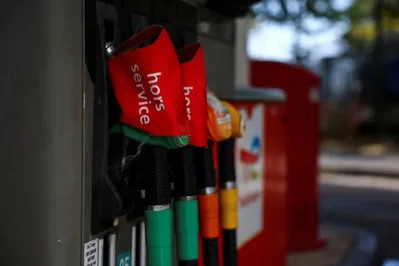
Trucking unions in Brazil are considering a nationwide strike as early as this week following a sharp increase in diesel prices. The price hike is largely attributed to the ongoing conflict in the Middle East, which has disrupted global energy markets and increased operational costs for transporters.
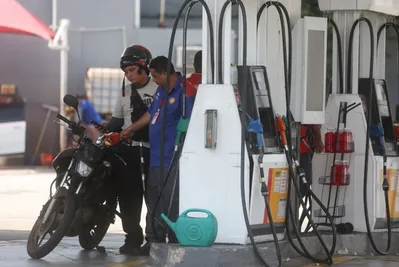
The average cost of S-10 diesel has risen by approximately 19% across the country since late February. This surge coincided with the escalation of tensions involving the United States, Israel, and Iran, which has significantly impacted the global valuation of Crude Oil. According to data from the payments firm ValeCard, the rising costs are placing an immense burden on independent drivers and transport companies.
Wallace Landim, the head of the truckers union Abrava, warned that the current economic pressure is unsustainable for many in the industry.
"It's a fight for survival,"
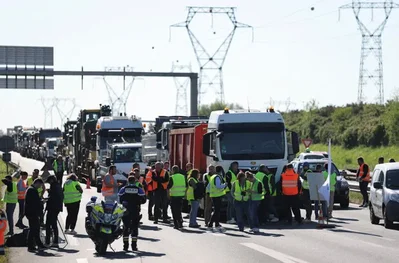
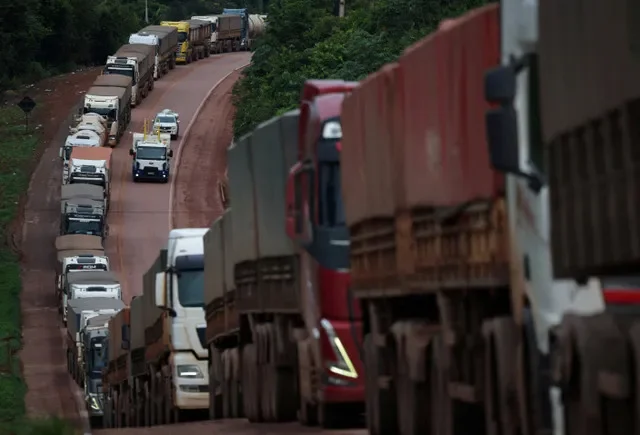
Landim stated, adding that a strike could commence within the week. He emphasized that unlike some previous strike attempts that were viewed as politically motivated, the current unrest is fueled by the same economic desperation seen during the massive 2018 strike. That protest paralyzed the country for 10 days, using road blockades to halt the movement of essential goods.
In an effort to mitigate the impact of rising fuel costs, the government of President Luiz Inacio Lula da Silva recently moved to eliminate taxes on diesel. Additionally, the national oil regulator has launched an operation to investigate and combat fuel price gouging at service stations. However, it remains uncertain if these government interventions will be enough to prevent a widespread work stoppage.
"Truck drivers are at their limit,"
said Carlos Alberto, a director at the transport workers union CNTTL. Given that the country is heavily reliant on road transport to move products to domestic markets and international ports, a widespread strike could have severe consequences for the national economy.