### Climate and Fiscal Pressures Slow Momentum Agricultural output is facing headwinds from the El Niño weather pattern, which has triggered warming temperatures and lower crop yields. Economists at XP INC - CLASS A halved their primary sector growth forecast to 1.5% from 3.0% due to these climate impacts. This slowdown in a key sector may encourage the government to maintain high spending levels through the end of the year.
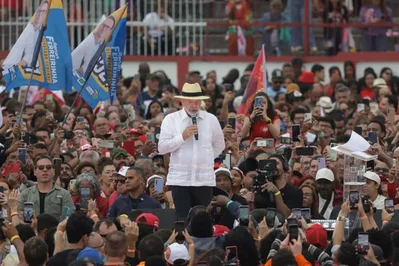
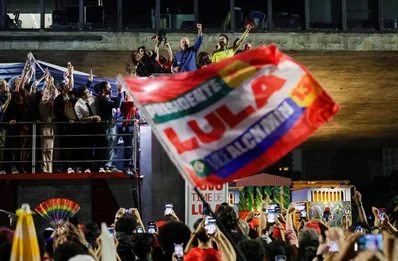
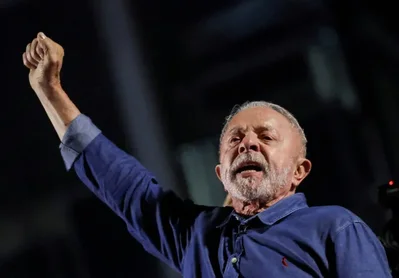
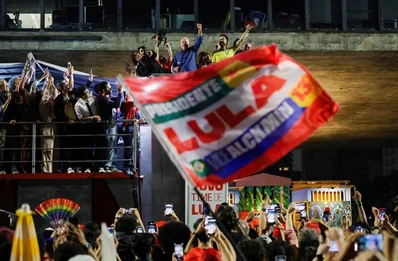
Public finances remain under scrutiny as President Luiz Inacio Lula da Silva leads in current opinion surveys. Analysts at SOCIETE GENERALE SA expect a potential Lula victory to be accompanied by further fiscal support, which could weigh on investor sentiment. Brazil continues to run a primary deficit that, combined with high interest costs, is expanding the general budget gap.
### Inflation Risks Limit Monetary Easing Inflation expectations are rising, with analysts now forecasting an average of 4.7% this year and 4.1% in 2027. These figures are up from April estimates of 4.5% and 3.9%, respectively. Persistent consumer price pressure has led market participants to scale back their expectations for interest rate cuts.
The central bank is now expected to deliver only one more quarter-point cut to the Selic rate, bringing it to 14.00% by year-end. This is a tighter outlook than the 50 basis points of easing projected in June. Societe Generale economists noted that while they still anticipate 50 bps of cumulative cuts, the path is complicated by Middle East tensions and higher oil-price risks.
### Mandatory Spending Forces Tax Debate Efforts to narrow the budget deficit in 2027 may rely on increasing revenue rather than cutting costs. Eight of 18 analysts surveyed identified tax hikes as the most likely tool for meeting fiscal goals. Rafael Prado, an economist at GO Associados, noted that the government is constrained by a budget where over 90% of outlays are mandatory.
Beyond any lack of commitment to making cuts, the government faces a constraint inherent in the budget itself, which consists of over 90% mandatory spending.
Pensions represent the largest portion of these legally mandated expenditures and have risen rapidly in recent months. While economists suggest the incoming administration should prioritize pension reform, they acknowledge the political difficulty of such measures. No respondents expected the privatization of state assets to provide a significant revenue boost next year.
Brazil will hold its presidential election on October 4.