Bank of Japan New Price Index Shows Inflation at 2.2 Percent
The Bank of Japan launched a new gauge showing core inflation rose 2.2% in February. The index strips out subsidies to better track underlying price trends.

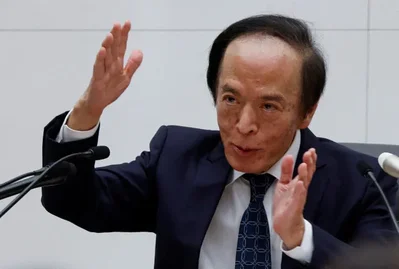
The Bank of Japan introduced a new measure of underlying inflation on Thursday, revealing that core consumer prices in Japan rose 2.2% in February when excluding special factors. This new figure significantly exceeds the 1.6% benchmark core inflation rate reported earlier this week by the internal affairs ministry. The central bank's new gauge is designed to strip out institutional and policy-related influences, such as education subsidies and government measures intended to curb utility bills. By removing these transitory factors, the bank aims to provide a clearer picture of price trends driven by domestic demand rather than temporary government interventions. This transparency initiative follows a commitment by Governor Kazuo Ueda to enhance communication regarding the central bank's assessment of inflation. Analysts have previously criticized the concept of underlying inflation as being too vague, despite its critical role in determining the timing of future interest rate increases. > While the new indicator likely won't have a direct impact on the BOJ's rate-hike timing, it's a major revamp in the way it communicates underlying inflation, said former top BOJ economist Seisaku Kameda. The bank stated that the new data will be published monthly, two days after the release of the nationwide consumer price index. In addition to the core figure, the bank reported that core-core CPI—which also excludes energy—rose 2.7% under the new methodology, compared to the government's 2.5% calculation. This gauge is expected to support the bank's argument that inflation remains on track to stably hit the 2% target, even if headline figures experience temporary fluctuations. Alongside the inflation data, the central bank released updated figures showing the nation's potential growth rate at 0.65%. This metric is expected to influence the bank's estimate of the neutral interest rate, which Governor Ueda indicated would be disclosed by the summer. The neutral rate serves as a key benchmark for markets to gauge how much further the current 0.75% short-term policy rate might be raised.