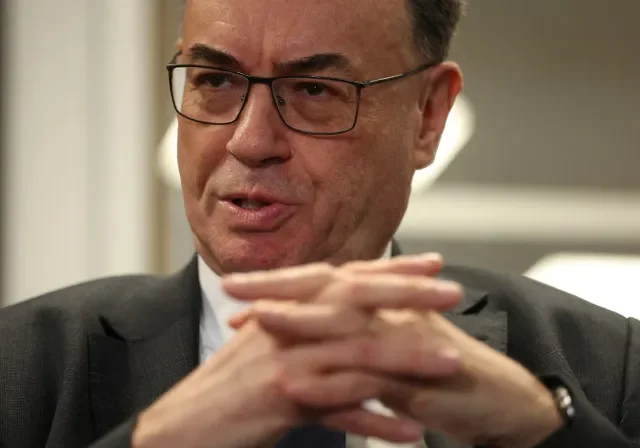
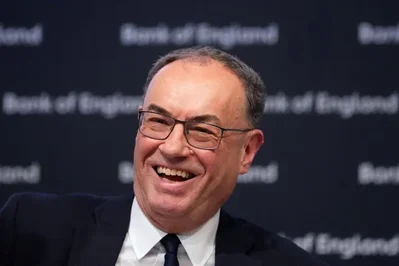
Bailey, who also serves as the chair of the Financial Stability Board, emphasized the critical need for "assured value." This concept refers to the absolute confidence that a stablecoin can be redeemed at its face value at any time. He argued that without a unified international framework, maintaining this confidence across different jurisdictions would be difficult.
We do have to have international standards to it to underpin assured value.
I don't think we can have a situation where we've got different rules of engagement in different countries for that.
Despite the slowdown in global coordination, major economies such as the United Kingdom and the United States are proceeding with their own domestic regulatory frameworks. Policymakers in these nations are attempting to capitalize on the potential of stablecoin technology while simultaneously guarding against risks to broader financial stability.
The primary objective of international standards is to prevent regulatory arbitrage, a situation where financial firms move their operations to countries with the least restrictive rules. Bailey suggested that consistent global rules are necessary to ensure a level playing field and to prevent firms from seeking out the most lenient jurisdictions at the expense of financial safety.