BoC Signals Tough Job Ahead for Structural Economic Changes
Senior Deputy Governor Carolyn Rogers says trade protectionism and immigration cuts will alter the economy. The bank is bracing for a tumultuous period ahead.

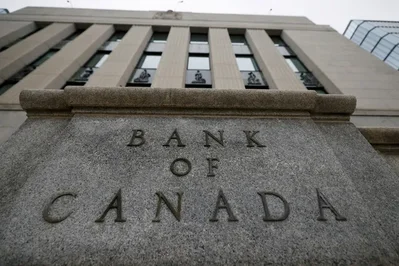
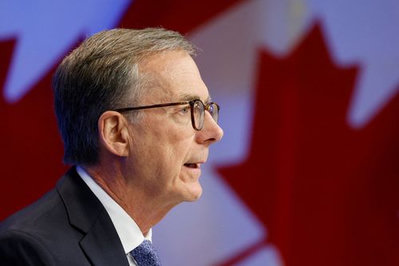
The Bank of Canada is preparing for a period of significant economic transformation, warning that structural shifts will permanently reshape the nation's financial landscape. Senior Deputy Governor Carolyn Rogers indicated that the coming five years may prove as volatile as the previous five, requiring the central bank to adapt its forecasting and decision-making processes.
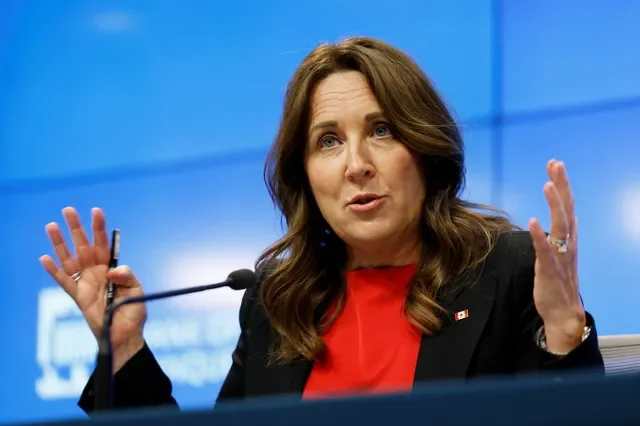
Rogers highlighted several factors contributing to this new reality, including rising trade protectionism from the United States and Canada's own aggressive immigration controls. She noted that uncertainty surrounding trade policies is already dampening business investment, which could lead to reduced job growth and stagnant productivity.
"When faced with a structural change ... we have to adapt."
"My colleagues and I at the Bank are steeling ourselves for a tough job ahead."
According to the central bank, tariffs on key imports could permanently hinder growth. Additionally, a sharp reduction in the number of people entering the country is expected to impact economic expansion, though it may help alleviate pressures in the housing sector. Rogers also pointed to the adoption of artificial intelligence as a permanent fixture of the economy, noting its potential to boost productivity while acknowledging the anxiety surrounding its disruptive nature.
"Canadians have faced a lot of economic upheaval over the past five years, and the next five may not be much calmer."
While the central bank and the finance ministry are set to review the 2% inflation target this year, Rogers maintained that the core monetary policy framework remains sound. However, the method of implementation will evolve to better address a choppier environment. This includes a shift toward real-time data and scenario analysis rather than relying on a single baseline forecast to better detect and assess supply shocks.