
Aussie dollar falls as RBA raises rates to 4.1 percent
The RBA raised rates to 4.1 percent today in a narrow vote that lowered expectations for future hikes. Global markets remain cautious amid Middle East tensions.

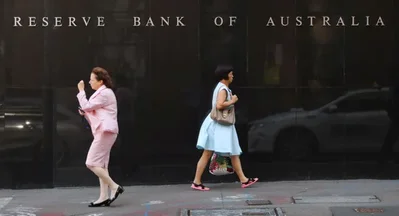
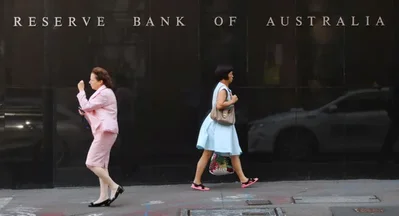
The Australian Dollar / U.S. Dollar weakened on Tuesday after the central bank of Australia raised interest rates, though a narrow voting margin led markets to reduce bets on further tightening. The Reserve Bank of Australia increased its cash rate by 25 basis points to 4.1% as inflation re-accelerated, but the 5-4 vote—the closest since the bank began revealing tallies—caused the Aussie to slide 0.25% to $0.7053.
There is a material risk that inflation will remain above target for longer than previously anticipated, with uncertainties in the Middle East possibly adding to global and domestic inflation.
Following the decision, three-year government bond yields fell 7 basis points to 4.509% as investors pared back the likelihood of another hike in May, which is now priced at approximately 30%. Meanwhile, the United States dollar drifted as traders monitored the escalating war involving Iran. Surging oil prices resulting from the conflict between the U.S., Israel, and Iranian forces have heightened inflation concerns, impacting the outlook for global rates and consumer-staple firms like the Colgate-Palmolive Company. The dollar index remained little changed at 99.894, though it has gained over 2% this month.
In other currency markets, the Euro / U.S. Dollar remained steady at $1.1499, while the British Pound Sterling / U.S. Dollar fetched $1.33115, maintaining strength in the United Kingdom. Most major central banks, including the Federal Reserve and the Bank of England, are expected to keep policies unchanged this week as they gauge the war's impact on growth.
Overall the bank is now in wait and watch mode, but we see limited read through for other central banks from todays RBA decision.
In Japan, the U.S. Dollar / Japanese Yen pair weakened to 159.31, just below the critical 160 level. Despite verbal warnings from authorities, the yen has declined more than 2% since the outbreak of hostilities in February. Bank of Japan Governor Kazuo Ueda noted that underlying inflation is accelerating toward the 2% target ahead of a policy meeting ending Thursday.
Given the uncertainty of the Middle East situation, it seems likely that near-term strength can continue while the war risk and oil premium stay elevated.
Market sentiment remains jittery after several U.S. allies rebuffed requests to send warships to the Strait of Hormuz, casting doubt on the normalization of energy exports. The U.S. dollar continues to serve as a favored geopolitical and rates safe haven amidst the ongoing uncertainty.