Regional Equity Performance
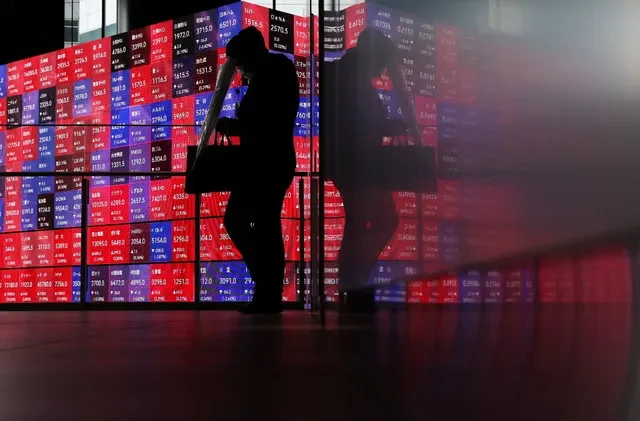
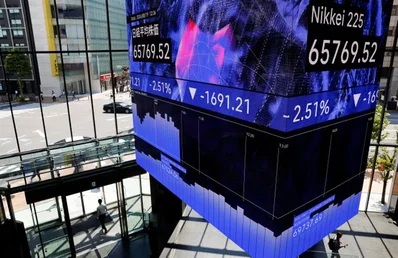
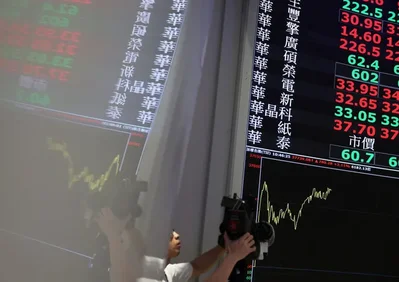
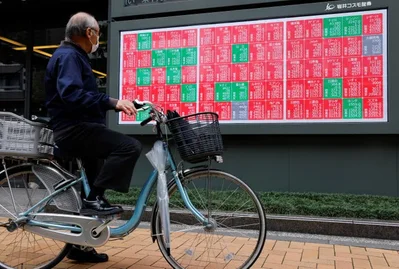
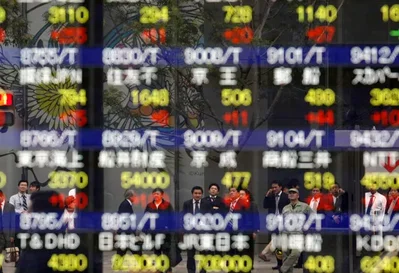
Asian markets closed the week on a mixed trajectory following a volatile month across major indices. Japan's Nikkei 225 rose 0.7% to secure a 2.7% weekly gain, though it remained down 8.4% for November.
Tokyo core inflation reached a 16-month high in November, reinforcing expectations for a policy shift from the central bank. Elsewhere, South Korea shares rallied 2%, while China's blue chips slipped 0.2% after touching their lowest level since June 2025.
Currency and Commodity Movements
The dollar index rose 1.8% to 103.8 against major peers, supported by a 99% probability that the FOMC will raise interest rates by 25 basis points in December. Treasury yields ticked higher following the reopening of cash markets after the Thanksgiving holiday, with 10-year yields rising 4 bps to 4.8918%.
Brent Crude Oil futures slipped 0.4% on Friday to $96.14 a barrel, yet maintained a 3.9% weekly increase amid ongoing supply disruption concerns. Meanwhile, the EUR/USD exchange rate remained flat at $1.0964 following confirmation of Spain's Pablo Hernández de Cos as the incoming European Central Bank president. The NZD/USD currency pair edged up 0.2% to $0.5482 after New Zealand's ruling coalition secured a parliamentary path forward.
Corporate Pressures
Tech sector sentiment remained fragile after S&P placed NVIDIA CORP's credit rating on watch for a potential downgrade. Reports indicated the chipmaker instructed partners to halt server shipments containing its processors to Malaysia (sic — source text lists Malaysia, Singapore, Thailand, and Indonesia).
Capital.com senior analyst Kyle Rodda said that unless a major shock disrupts thin holiday liquidity, November closes with a muted outlook for year-end rallies.
Schroders chief economist David Rees said that while central bank easing could materialize if growth slows, resilient economic data might force policymakers to maintain a restrictive stance.
The FOMC will release its next interest rate decision and updated economic projections on December 16.