
Asian refining margins hit four year highs on supply cuts
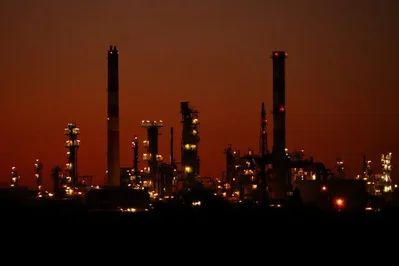
Asian refining margins reached four year highs as conflict disrupted crude flows through the Strait of Hormuz. Refiners are cutting runs amid fuel shortages.

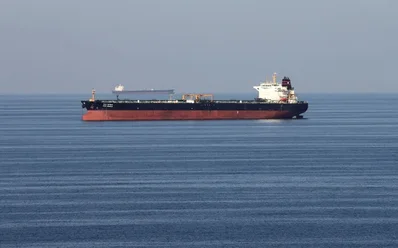
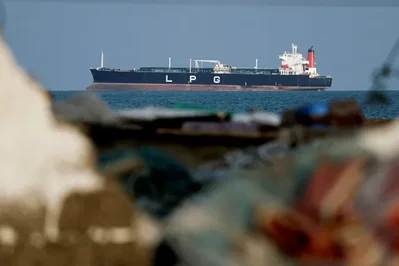
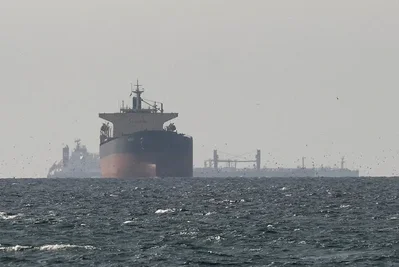
Asian refining margins have surged to their highest levels in nearly four years as geopolitical instability in the Middle East disrupts vital crude oil flows. The market reaction follows threats from Iran regarding shipping through the Strait of Hormuz, a critical maritime corridor that typically facilitates more than 20% of global daily oil supplies.
Complex refining margins in Singapore, which serve as a primary indicator for Asian profitability, jumped to nearly $30 a barrel on Wednesday. This spike comes as the fallout from conflict involving the United States has suspended trade through the region, sending prices for Brent Crude Oil and other energy products sharply higher. In response to the tightening supply, China and Thailand have reportedly suspended fuel exports to safeguard domestic stocks. This move is expected to further reduce the availability of refined products across the region.
"This is symptomatic of an impending shortage of feedstocks into the refineries due to the dependency on crude from the Middle East that is currently logjammed at the Strait of Hormuz."
June Goh, senior oil market analyst at Sparta Commodities, noted that alternative crude sources could take up to two months to arrive in the region. Consequently, refiners are being forced to scale back their operations to avoid premature shutdowns.
"Refineries simply have to reduce intake to avoid shutting down prematurely."
The surge in margins is most pronounced in jet fuel and diesel. Aviation fuel margins reached their highest level since mid-2022, climbing above $52 a barrel on Wednesday. Similarly, cracks for 10ppm sulphur gasoil rose to over $48 a barrel. Amidst these disruptions, India has begun searching for alternative crude import sources to mitigate the impact of the Middle Eastern logjam.
The Middle East also serves as a vital supplier of naphtha and fuel oil. Asias naphtha margins reached four-year highs this week, leading petrochemical producers to prepare for potential operational halts. High-sulphur fuel oil cracks also hit record levels of nearly $8 a barrel. To address the shortfall, global energy giants are moving products from Western markets to Asia. Exxon Mobil Corporation is scheduled to transport fuel from the United States Gulf Coast this month to support its import needs in Australia, even as the economics of such arbitrage remain difficult.