

Iran war threatens UK housing recovery and build costs
UK builders warn the Iran conflict may raise material costs and keep interest rates high. This uncertainty threatens to prolong a slump in housing demand.

Homebuilders in the United Kingdom are bracing for a potential economic downturn as the conflict involving Iran threatens to inflate construction costs and maintain high interest rates. The sector is currently navigating a difficult period characterized by a slump in demand and reduced profitability.
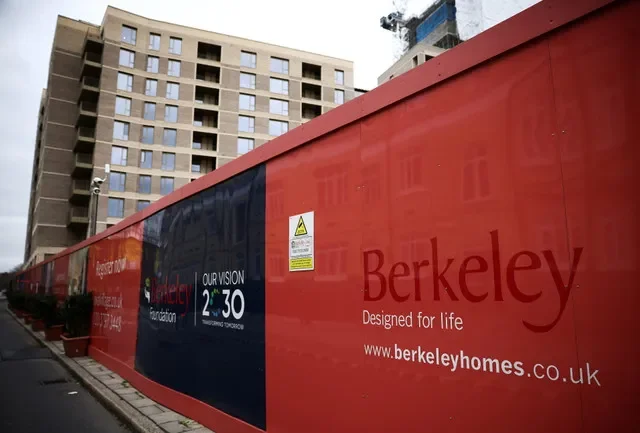
Berkeley Group Holdings PLC recently confirmed its annual profit guidance but warned that the Middle Eastern conflict could lead to a further deterioration of macroeconomic conditions. This warning follows similar concerns expressed by other major industry players regarding the rising costs of energy-intensive materials such as bricks and plasterboard.
The big issue now is energy costs, how that feeds through to inflation expectations.
Investec analyst Aynsley Lammin noted that disruptions in the mortgage market have already begun as swap rates rise. These higher rates make it increasingly difficult for developers to pass on costs to buyers who are already facing financial constraints. In early February, Barratt Redrow plc reduced its dividend after earnings fell, despite implementing incentives to boost demand.
Both Taylor Wimpey plc and Vistry Group PLC have cautioned that profit margins and consumer demand are likely to remain under pressure through 2026. Vistry specifically warned that a prolonged war could result in higher build costs and weakened consumer sentiment. In contrast, Persimmon Plc, which produces its own building materials, issued a more optimistic profit outlook, though it remains cautious about how the conflict will affect customer behavior.
Berkeley, which focuses on the London and South East markets, reported that sales enquiries were recovering toward summer levels, although trading between November and February was impacted by geopolitical and economic uncertainty. The company maintains operating margins above 20%, significantly higher than the 8% to 14% margins reported by its competitors. However, luxury home taxes introduced in the recent British government budget are expected to add pressure. Looking beyond 2027, the firm plans to focus on cash generation and the optimization of its land holdings and build-to-rent platform.