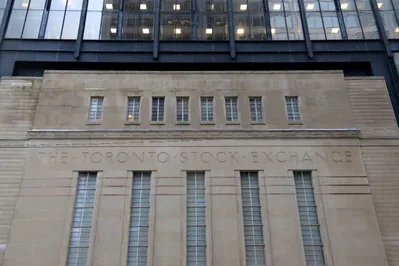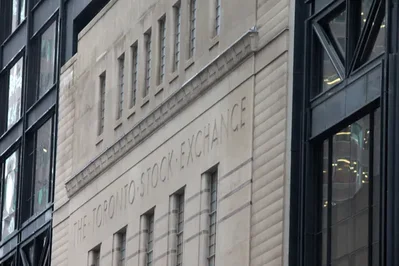


The primary stock market in Canada experienced a significant downturn on Friday, positioning the index for its third consecutive weekly decline. This trend is largely attributed to heightening geopolitical tensions in the Middle East, which continue to weigh heavily on investor sentiment. By mid-morning, the Toronto Stock Exchange's S&P/TSX composite index had retreated by 1.2%, falling to 31,476.37. Market instability has been exacerbated by reports that the United States is preparing to deploy thousands of additional troops to the region. This follows intelligence suggesting that the administration may be considering strategic actions regarding Iran, specifically a potential blockade of Kharg Island. All major sectors on the TSX were in negative territory, with materials leading losses as spot silver and gold prices tumbled. Among the most affected were mining firms, with Endeavour Silver Corp. and Lundin Gold Inc. both seeing their share prices slide by more than 4%. Meanwhile, the energy sector fell 1.6% as oil prices dipped following American efforts to mitigate supply chain disruptions. In a coordinated effort to stabilize maritime trade, major global powers including Japan, the United Kingdom, and various European nations joined Canada in a statement supporting the security of vessels navigating the Strait of Hormuz. > Were getting closer to the Strait reopening as countries like Japan and Britain step in; once flows normalize, markets should bounce significantly from the last 5-6% downturn. This perspective, provided by Allan Small of Allan Small Financial Group with iA Private Wealth, highlights the sensitivity of the resource-heavy Canadian index to energy prices. Crude oil price volatility remains a primary driver of inflation concerns, which has kept central banks on high alert. Although the Bank of Canada recently opted to maintain interest rates, policymakers have signaled a readiness to implement further hikes if inflationary pressures do not subside. Despite the broader market gloom, domestic economic data provided a slight silver lining. Statistics Canada reported that retail sales in the country rose by 1.1% in January, reaching C$69.65 billion. This growth was primarily fueled by strong performance within the motor vehicle and parts dealership sector. However, the TSX remains more than 7% lower since the onset of the conflict, marking its lowest levels since late January.
TSX Falls for Third Week Amid Middle East Tensions
Canada's main stock index fell on Friday as escalating Middle East tensions led to broad sector declines. The TSX is on track for its third straight weekly loss.
洞察:
Xurve View