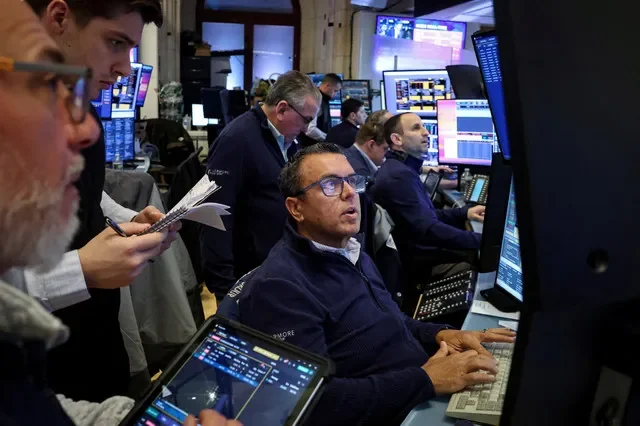
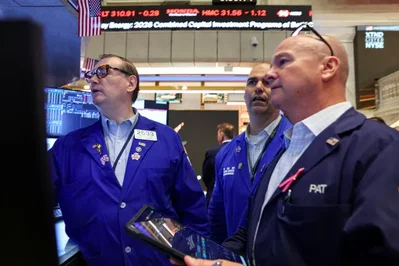
In equity markets, most major indices in Asia and Europe fell by 1% to 3%. However, U.S. markets showed resilience as the NASDAQ-100 INDEX TRCKNG STCK and the X RUSSELL 2000 1C both rallied. Defense and energy stocks led the gains, with Northrop Grumman Corporation and Marathon Petroleum Corporation each rising 6%. In contrast, travel and utility stocks struggled, with Norwegian Cruise Line Holdings Ltd. falling 10% and AES dropping 17%.
The currency market saw the U.S. dollar achieve its best daily performance since July. The USD/JPY pair saw the yen slump 1%, while the EUR/USD also faced downward pressure. In Switzerland, the franc tumbled more than 1% against the dollar amid signs of central bank intervention. Bitcoin also saw a 5% increase during the session.
"For its part, the SNB said in a statement it was prepared to do just that in order to prevent excessive appreciation of the franc."
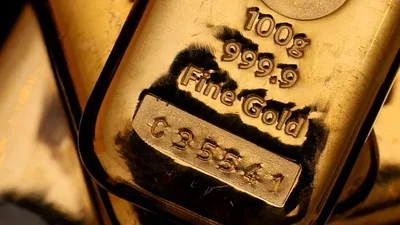
Bond markets saw U.S. yields leap as much as 11 basis points at the short end, driven by inflation fears and steady manufacturing activity. In commodities, Gold rose 1% as a safe-haven asset, while Silver fell 4%. Looking ahead, investors will monitor developments in the Middle East and upcoming economic data, including Australia’s current account, Japan’s unemployment, and Eurozone inflation. Additionally, UK Chancellor Rachel Reeves will announce new economic forecasts, and several Federal Reserve officials are scheduled to speak.