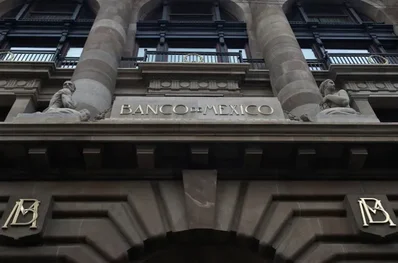
Economic analysts anticipate that gross domestic product will expand by 1.5% this year, a slight acceleration from the 0.6% growth recorded in the previous year. While the 2026 forecast shows a marginal improvement from earlier estimates, the outlook for 2027 remains steady at 1.9%. These projections come as the USD/MXN currency pair continues to be a focal point for investors monitoring regional stability.
Inflationary pressures remain a significant concern, with consensus forecasts for average annual inflation rising to 4.0% for this year. This uptick is attributed in part to the geopolitical conflict between Israel and Iran, which has exerted upward pressure on the price of Brent Crude Oil and global energy costs. Consequently, the central bank is expected to conclude its easing cycle this quarter with a final 25-basis-point cut to the interest rate, bringing it to 6.50%.
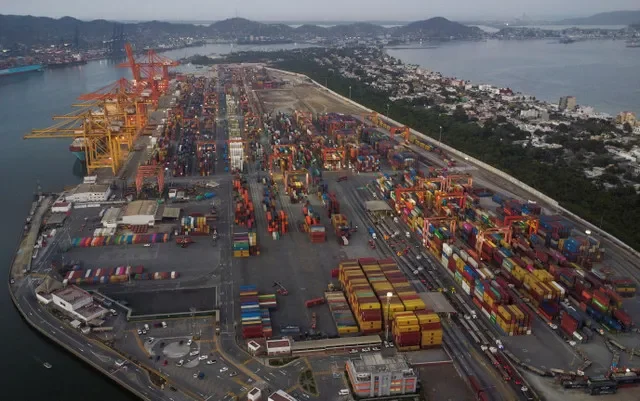
Economists at GRUPO FINANCIERO BANORTE-O noted some potential tailwinds, including positive effects from the upcoming football World Cup and an expected increase in public investment. However, the future of the USMCA trade agreement remains the primary variable for long-term growth. Rodolfo Mitchell, head economist for Scotiabank in Mexico, suggested that while ratification of the current deal is the best-case scenario, a formal renegotiation could be problematic.
The worst-case scenario would be a formal renegotiation of the treaty since Mexico has very limited room for negotiation and would probably end up accepting most of the changes proposed by the U.S., Mitchell said.
Alfredo Coutino, a director at MOODY'S CORP, indicated that a trade agreement is likely to be reached in the latter half of the year, though the path to consensus will be difficult.
However, the negotiations will be marked by back-and-forth, friction, and threats of termination by the U.S. all with the intention of obtaining the best advantages and largely to impose its demands, Coutino said.
The current economic climate suggests that while Mexico may begin to emerge from this period of near-stagnation by next year, the immediate path is defined by external geopolitical risks and the complexities of North American trade diplomacy.