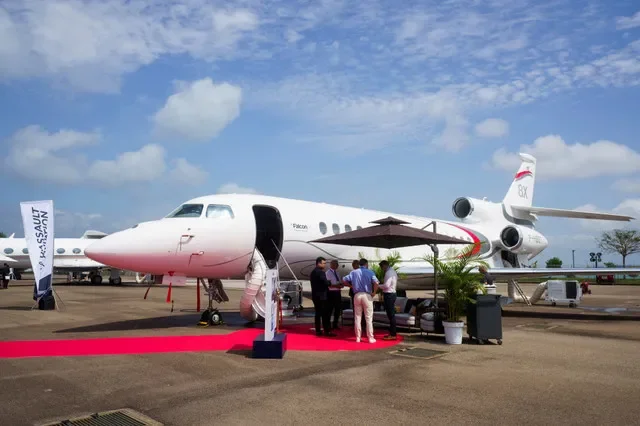
### Court Rejects Emissions-Based Exclusion DASSAULT AVIATION SA contested the original Commission decision, calling the exclusion of private aircraft unlawful. The Commission had previously argued that private jets should be barred from the green list due to high CO2 emissions per passenger kilometer. However, the General Court found that other transport modes are not necessarily low-carbon alternatives given the specific flexibility and connectivity of private aviation.
The court further noted that the CO2 footprint of an aircraft relates to its operation rather than its manufacturing process. Judges also pointed out that the Commission failed to account for the ability of private jets to utilize sustainable aviation fuel. This distinction between production and usage shifts the regulatory focus for investors tracking the transition of the aviation sector.
### Implications for Sustainable Finance The sustainable finance taxonomy serves as a definitive guide for investors to identify activities deemed environmentally sustainable. By including the manufacturing of these aircraft, the court opens the door for companies in France and across the region to market their production activities as green-compliant. This could influence capital flows into high-end aerospace engineering and carbon-reduction technologies.
The European Commission has a two-month window to appeal the ruling to the European Court of Justice. If the decision stands, it will force a revision of the criteria used to evaluate the environmental impact of specialized transport manufacturing.
The European Commission must decide whether to file an appeal against the General Court's ruling by late August.