One of the most severe incidents occurred on February 25 at the Dorogobuzh plant, a facility owned by ACRON PJSC. The attack resulted in seven fatalities and forced a temporary shutdown that removed approximately 5% of the nation's total fertilizer production capacity. The facility is a critical hub, accounting for 11% of the country's ammonium nitrate and 9% of its NPK (nitrogen, phosphorus, and potassium) output. Operations at the site are expected to resume in May.
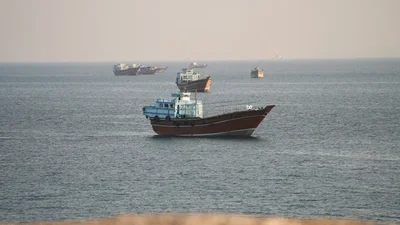
The disruption comes as the global market faces additional pressure from the blockade of the Strait of Hormuz, a transit point for nearly one-third of the world's fertilizer trade. While Melnichenko noted that potash trade remains largely unaffected, he observed that phosphate trading has faced temporary volatility as producers in the Middle East redirect shipments to alternative ports.
The production of nitrogen-based fertilizers, which relies heavily on Natural Gas, has been particularly vulnerable. A significant portion of these fertilizers is derived from gas extracted near the Gulf, and the combination of regional instability and domestic infrastructure damage has tightened supply.
Russia currently controls roughly 20% of the global fertilizer trade and up to 40% of the global market for ammonium nitrate. In response to domestic supply concerns and the ongoing conflict, the government implemented a one-month export ban on ammonium nitrate starting March 21. Melnichenko suggested that while Russian producers are adapting by shifting from European to local ports, the process is slower than the rapid adjustments seen by Middle Eastern competitors.