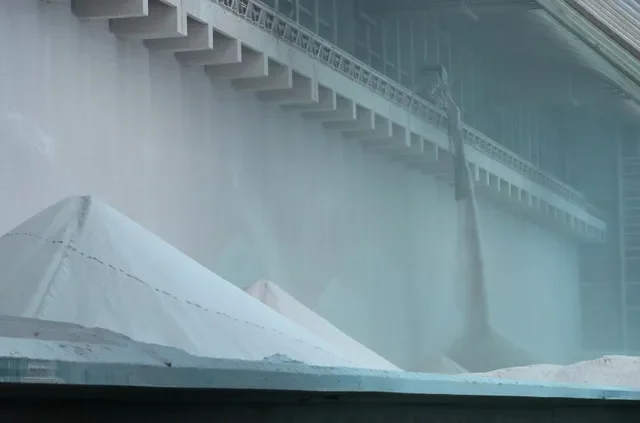
The Agriculture Ministry has halted all existing export licenses for ammonium nitrate and will not issue new ones, except for those linked to government contracts. This decision comes as the global market grapples with a supply shortage triggered by the closure of the Strait of Hormuz. This strategic waterway facilitates roughly 24% of the global trade in ammonia, a fundamental component of ammonium nitrate.
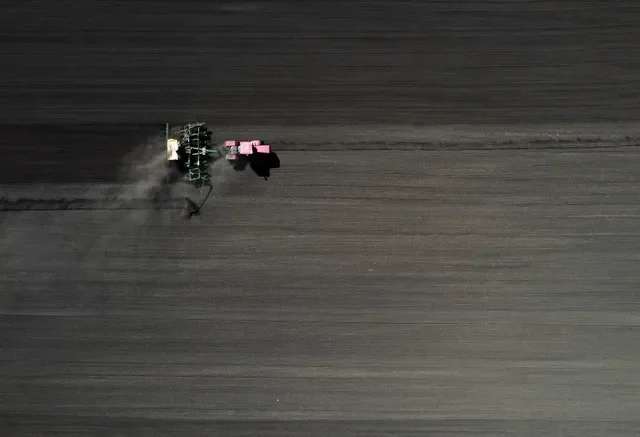
In the context of growing export demand for nitrogen fertilizers, the suspension of their supply abroad will allow the needs of the domestic market to be prioritized during the spring fieldwork season, the ministry said.
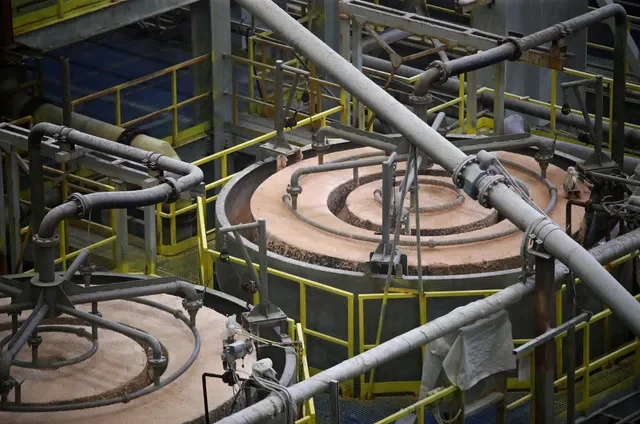
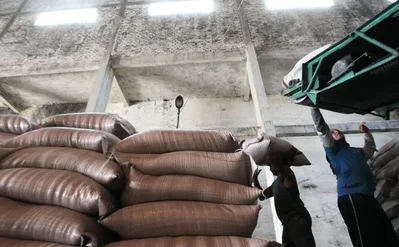
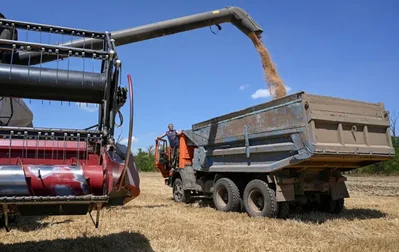
Ammonium nitrate is heavily utilized in agriculture at the start of the planting cycle. Although Russia produces a quarter of the world's supply, the nation currently lacks the capacity to increase production levels this year. Since 2021, the government has maintained export caps and requested that producers prioritize domestic requirements over foreign sales.
The suspension affects several international trade partners. Russia traditionally exports ammonium nitrate to Brazil, India, Peru, Mongolia, Morocco, and Mozambique. The United States also received a small quantity of the fertilizer earlier in 2024.
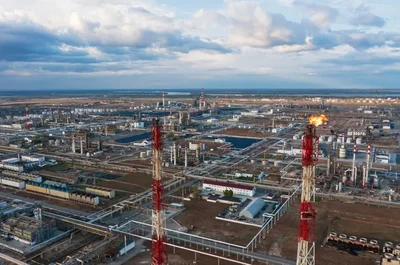
Production has also been impacted by regional conflict. In February, drones from Ukraine struck the Dorogobuzh plant in Western Russia. This facility, a primary asset for PJSC Acron, generates approximately 11% of Russia's ammonium nitrate. The plant is not expected to return to full capacity until May.
In addition to its agricultural use, ammonium nitrate is a key ingredient in the production of explosives. Major producers in the Russian market include Eurochem, PJSC Acron, and Uralchem.