Divergence from European Central Bank Policy
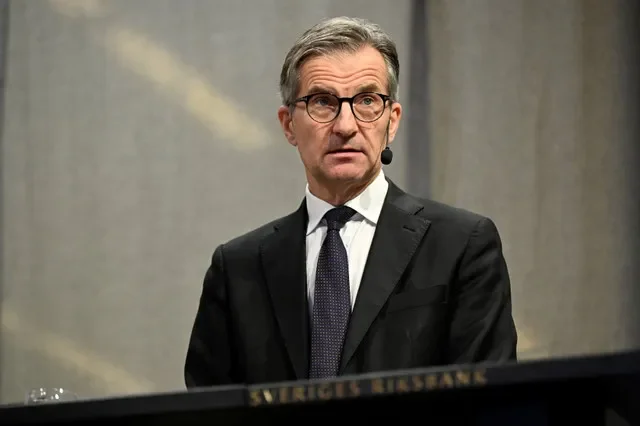
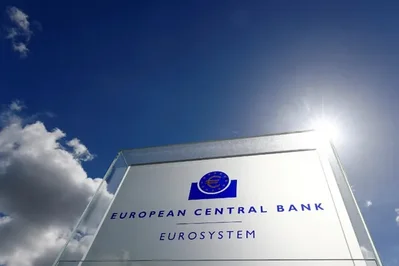
While the European Central Bank raised rates last week, the Riksbank has maintained a more patient stance. Sweden reported 0% underlying inflation in April, the lowest level in 30 years. A fossil-free energy mix and a stronger EUR/SEK exchange rate have helped insulate the domestic economy from imported inflation.
"We expect the Riksbank to shift to a gentle explicit tightening bias," J.P. Morgan said in a note.
The bank's analysts project a rate hike in September, though they noted risks of a later move. Only one of the 19 surveyed banks expects a 25-basis-point increase during the upcoming Wednesday afternoon announcement.
Rising Producer Prices Signal Future Pressure
Despite stable consumer prices, producer prices in April rose at their fastest pace since early 2023. Input price inflation in the manufacturing and service sectors also reached multi-year peaks. Higher costs for West Texas Oil continue to test the effectiveness of temporary tax cuts.
The Riksbank's own business survey currently shows only modest planned price hikes. However, eight out of 19 polled banks now predict at least one rate increase before the end of the year.
The Riksbank will announce its interest rate decision and publish its monetary policy report on June 15.