Broader tax changes proposed for the 2027 legislative session include raising the estate tax threshold from $1 million to between $3 million and $5 million. The group also recommended increasing the Corporate Activity Tax threshold to $2 million from the current $1 million. These adjustments aim to align Oregon more closely with other West Coast states in the United States.
### Replacing the Climate Protection Program A pivotal recommendation calls for Kotek to repeal the Climate Protection Program and replace it with a cap-and-invest system. The council argued that a market-based emissions program would better connect with other state initiatives while reducing costs for local businesses. This proposal follows years of legislative friction and lawsuits over previous executive orders regarding carbon limits.
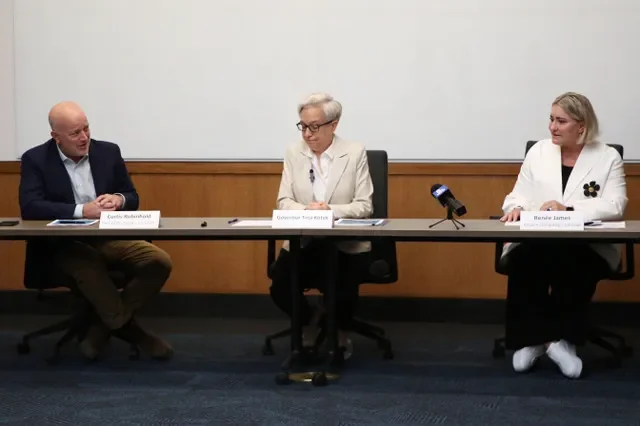
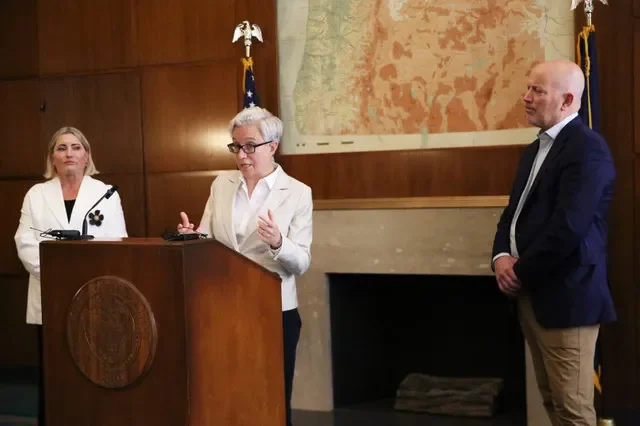
The report also suggests a 20% reduction in state regulations by 2029 to ease the burden on companies. Co-chair Curtis Robinhold noted that the target was set based on successful models in other cities and states. The council emphasized that moving toward problem-solving rather than "handwringing" is essential for the state's economic health.
### Investing in Site Readiness and Talent To address a shortage of industrial space, the council proposed a recurring $250 million site readiness fund for each two-year budget cycle. This is a sharp increase from the $20 million currently allocated for such projects. The group also advocated for a 2% increase in land available within urban growth boundaries to facilitate development.
Education and workforce development also feature prominently in the roadmap, including a call for $20 million in biennial research funding. The council wants Oregon to reach the top 10 nationally in math and reading scores, up from current rankings near the bottom. James expects the fastest economic impacts to come from new permitting timelines and these education investments.
Governor Tina Kotek will work with the legislature to evaluate the timeline for implementing these tax and regulatory reforms during the 2027 legislative session.