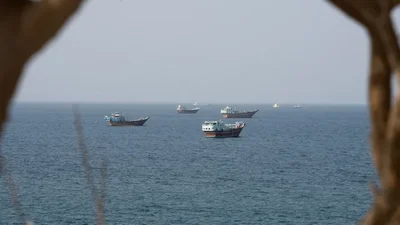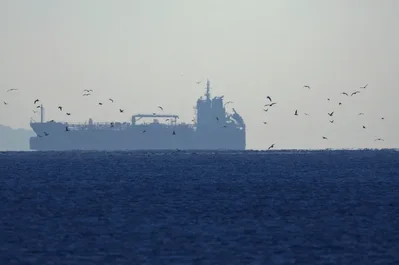


Global energy markets saw a significant rebound on Thursday as oil prices climbed nearly 5%, driven by growing skepticism over a fragile Middle East ceasefire. The uncertainty has kept supply risks elevated, particularly regarding the Strait of Hormuz, where shippers remain hesitant to resume normal operations. Brent Crude Oil futures rose $4.41, or 4.7%, to reach $99.14 a barrel, while U.S. West Texas Intermediate (WTI) crude jumped $7.57, or 8%, to $99.15 a barrel.
Oil Prices Rise 5% Amid Middle East Ceasefire Doubts
Oil prices rose 5% on Thursday as renewed conflict in Lebanon threatened a fragile ceasefire. Shipping traffic through the Strait of Hormuz remains limited.
洞察:
Xurve View
The price surge follows a period of volatility where both benchmarks had briefly dipped below the $100 mark. However, renewed military activity by Israel against targets in Lebanon has placed the truce in jeopardy. These developments come as the United States continues diplomatic efforts, with Vice President Vance traveling to the region to sustain negotiations.
Crude futures are taking back some of yesterday’s losses as the Strait of Hormuz remains with just a small fraction of traffic, much less than the market anticipated yesterday.
This assessment from Dennis Kissler, senior vice president of trading at BOK FINANCIAL CORPORATION, highlights the persistent bottleneck in the world's most important oil transit point. The waterway typically handles approximately 20% of global oil and gas supply, linking major producers such as Iraq, Saudi Arabia, Kuwait, and Qatar to international markets.
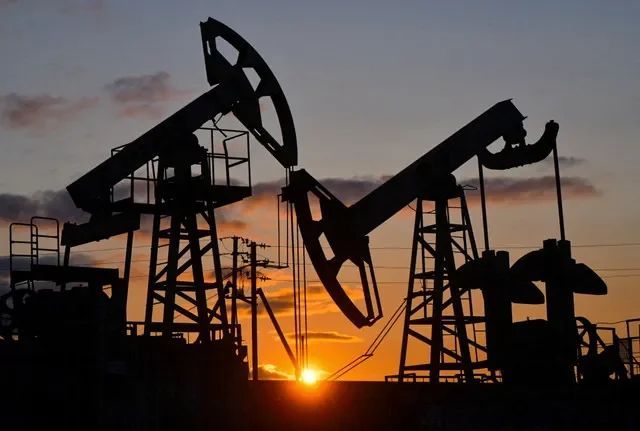
Despite the ceasefire efforts, ship traffic through the strait remains below 10% of normal volumes. Iran has asserted its influence by instructing vessels to remain within its territorial waters, even as it provides maps intended to guide ships around naval mines. The ongoing tension has pushed physical oil grades to record highs in some markets.
Tankers may be forced to navigate mined waters and a heightened military presence, all of which will keep insurance premiums high and freight costs elevated.
Industry analysts suggest that even a formal resumption of shipping will not immediately eliminate the underlying risks. Security threats persist across the region, with reports of missile and drone attacks affecting Bahrain and the United Arab Emirates. Furthermore, an Iranian strike on a Saudi Arabian pipeline designed to bypass the Hormuz blockade has underscored the vulnerability of regional energy infrastructure.
In light of the geopolitical shifts, GOLDMAN SACHS GROUP INC has revised its long-term outlook. The investment bank trimmed its second-quarter 2026 forecasts for Brent and WTI to $90 and $87 a barrel, respectively, down from its earlier projections of $99 and $91.